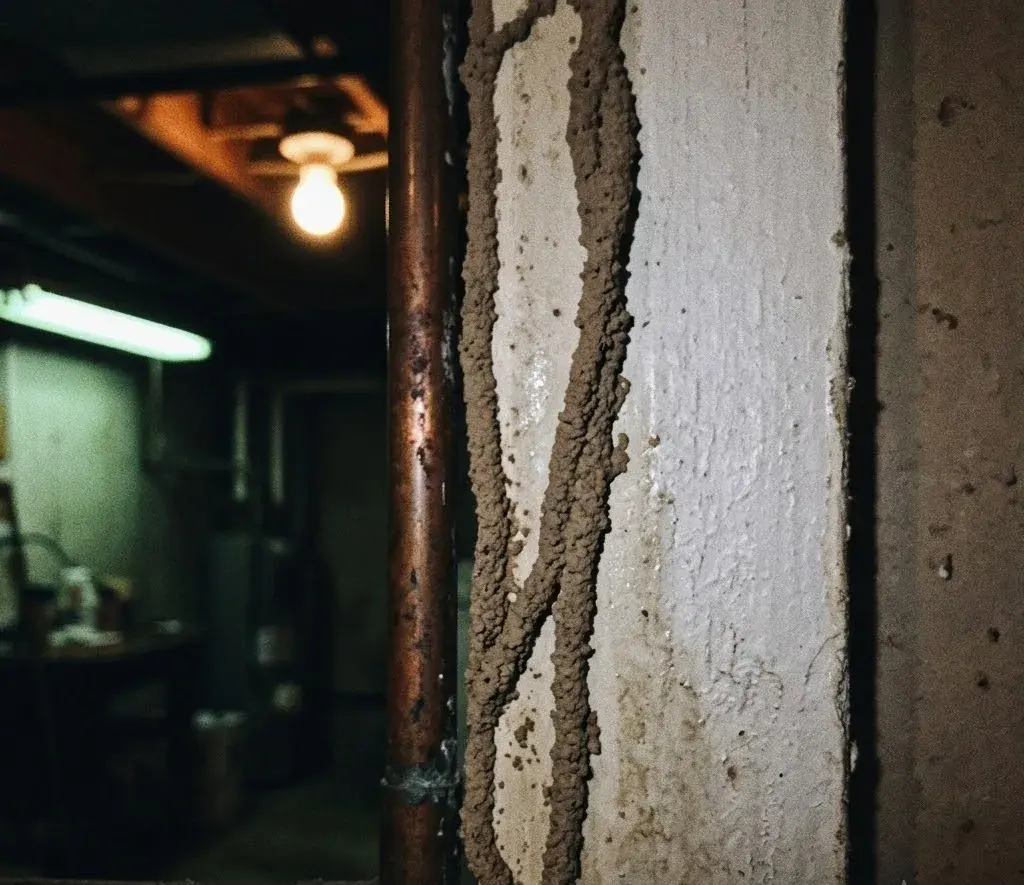
Signs of Termite Damage
Fall dampness can draw attention to weakened wood, wall finish changes, or soft floors. Learn what to record in Frederick before arranging an inspection.
Read article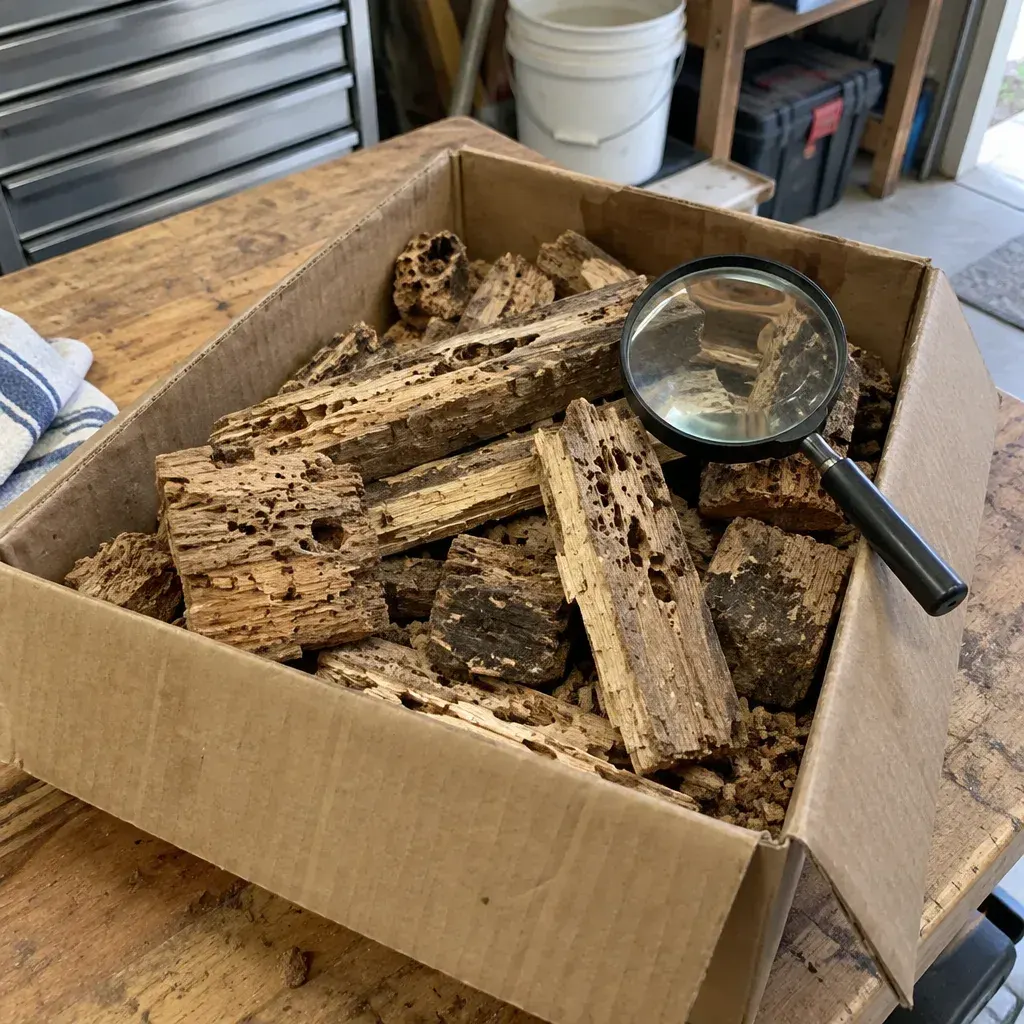
For Frederick homes near Baker Park, soil access can shape liquid termite treatment.
After steady rain, you may see damp soil along a Frederick foundation or a narrow tube near a sill. That calls for a closer look, not a conclusion about the whole house. A ranch near Baker Park and a split-level nearer Carroll Creek can have different foundation access and soil exposure. Frederick’s changing weather can affect how ground conditions look on inspection day. The useful question is whether the evidence supports liquid termite treatment, and where a treated zone could be placed.
Hidden termite activity may extend beyond the wood or foundation edges visible during an inspection. In Frederick, a porch, walkway, or finished basement may limit access to particular sections. The areas included, needed preparation, and product directions shape the work and its cost. Ask for the treated zones and any access limits in writing.
In Frederick, a report mentioning Main Street gives a location to check; subterranean termite treatment uses property findings to shape service across Walkersville, Middletown and Urbana.
If you own the home, use residential termite control to review residential termite options; rental managers and business operators can find commercial service through commercial termite control.
Soft spots, blistered paint, or hollow sounds may also deserve closer attention. Termite activity can remain hidden behind trim, flooring, or stored items. In Frederick, the inspection should identify where evidence appears and which areas were accessible. Avoid disturbing a suspected tube before the visit. Note its location and share what you observed. The findings can help determine whether a liquid termite treatment fits the property and which foundation sections need attention.
Foundation design can shape which soil areas are practical to treat. The treated soil forms zones termites may cross while moving from ground toward wood. It is not a coating on every visible foundation surface. The pros we connect you with should show how the planned placements relate to the inspected areas. Ask which preparation steps are needed before the application begins.
Patios, steps, utility entries, and narrow side yards can interrupt access to soil. Those barriers matter because an application must reach the planned area by a method allowed by its label. In Frederick, a property near Carroll Creek may have a different hardscape layout from a home elsewhere in the city; the address alone cannot establish access. Ask the provider to mark obstructions, describe any alternate placement, and record sections excluded from the proposed work.
The inspector checks accessible foundation edges and wood, noting evidence, damage, and soil contact that could shape a Frederick treatment plan.
The provider maps reachable soil and marks paving, steps, utilities, or other barriers that may limit the planned treated zones.
The applicator places termiticide only in the specified areas and follows the product label for the structure and site.
You receive a record of treated and excluded sections, plus the agreement’s terms for later checks or service.
Subterranean termites can approach wood through hidden contact with soil. A clean foundation face does not rule out concealed entry points. Frederick homes vary, from older properties near the Frederick Historic District to newer ranches and split-levels. Foundation shape, paving, and soil access affect where a liquid treatment can go. A property-specific plan helps you see the intended treated zones and the limits that remain.
The product label sets where a termiticide may be placed and how the application must be carried out. A Frederick proposal should identify the product and relate its planned use to the inspected foundation areas. Keep the inspection findings available when reviewing the proposed work. It should explain any limits caused by paving, attached structures, or inaccessible ground. Clear records let you compare the proposed coverage with what the property allows, without assuming every foundation can receive the same treatment.
The visit provides a snapshot of visible conditions on the inspection date. That snapshot can help frame questions about next steps. For a Frederick home sale, keep the inspection record distinct from the treatment agreement. The report says what was found; the scope says what work is planned. Ask the pros we connect you with to document excluded sections and explain what follow-up the agreement includes.
In Frederick, visible wood damage near Urbana Regional Library may need further evaluation; ask whether that assessment is included in the subterranean termite treatment estimate.
| Inspection Tasks | Reach of Service | Estimate Inputs |
|---|---|---|
| Building Examination | Middletown Historic District: inspection notes and treatment at listed locations | an estimated $600–$1,800 |
| Bait System Setup | Documented concern, chosen application method, and boundaries set in writing | an estimated $690–$2,340 |
| Station Servicing | Review of the reported concern, findings summary, and specified treatment | an estimated $600–$1,800 |
| Member Renewal | Assessment notes paired with the selected treatment method and listed areas | an estimated $1,440–$7,200 |
An estimate may group treatment and continuing service together, or list them apart. Upgraded components can also change the proposed work and its cost. The full pricing guide helps you review these factors before comparing totals side by side.
Liquid termite treatment places a labeled termiticide in selected soil beside or beneath a structure. The treated areas form zones intended to intercept subterranean termites moving between soil and wood. An inspection helps determine where placement may fit the property. In Frederick, the foundation layout and accessible soil matter more than the neighborhood name. Ask for a written scope showing intended coverage and any areas that cannot be treated as proposed.
An inspection helps decide whether a liquid soil treatment fits the evidence and structure. The inspector can assess accessible wood and foundation areas, then consider the routes and soil sections available for treatment. A sign alone does not settle the choice. For a Frederick property, ask how the findings support the recommendation and what other approach may suit the conditions. The answer should be specific to the inspected areas, not a general promise about every home.
A patio, porch, attached steps, or utility line may block direct access to soil near part of the foundation. The provider should explain whether the label permits another application route and whether that section can be included. If not, the written scope should identify the gap. In Frederick, the hardscape around a ranch or split-level can change the work plan. Ask how each barrier affects coverage before agreeing to the proposed treatment.
Liquid soil treatment can create a treated zone around accessible foundation sections, where it can help limit subterranean termites entering from soil. It does not directly reach termites feeding above ground inside wood or walls. A Frederick inspection can help identify visible activity and damage, then the provider can explain whether soil treatment suits the entry route or another control method should be considered.
A soil application creates treated zones; it does not reveal or repair wood damage behind finishes. Visible damage may need separate evaluation, especially where the affected area cannot be seen fully. Keep the inspection findings and treatment record together. Ask which damage was visible, whether further assessment is advised, and whether repair is part of the agreement. Treatment and repair are separate decisions, so confirm each scope in writing.
Near Carroll Creek Linear Park, ask the pro to mark paved edges, porch connections, and any foundation sections soil treatment cannot reach. Have them explain how those limits affect the treated zone and what options fit the untreated areas. Homes near Heritage Farm Park or Fountain Rock Park also need property-specific access checks; a landmark alone does not show what lies around a foundation.
For subterranean termite treatment, $600–$1,800 for this work should reflect the areas inspected. Ask what the report observed, what remains unseen, and whether repairs are part of the treatment estimate.
Termites may work out of sight, so learn which clues warrant a closer look.
Fall dampness can draw attention to weakened wood, wall finish changes, or soft floors. Learn what to record in Frederick before arranging an inspection.
Read article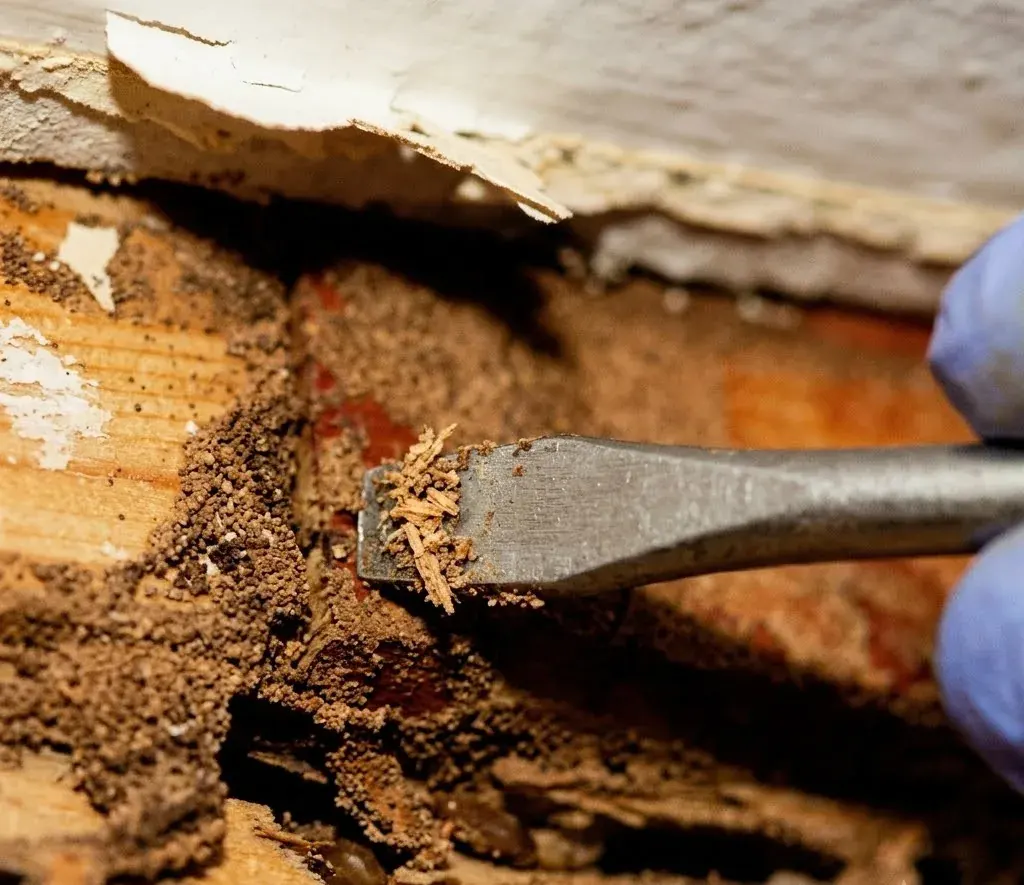
Learn how to distinguish termite droppings from dust and mixed debris, photograph a suspicious pile, and save a small sample for identification in Frederick.
Read article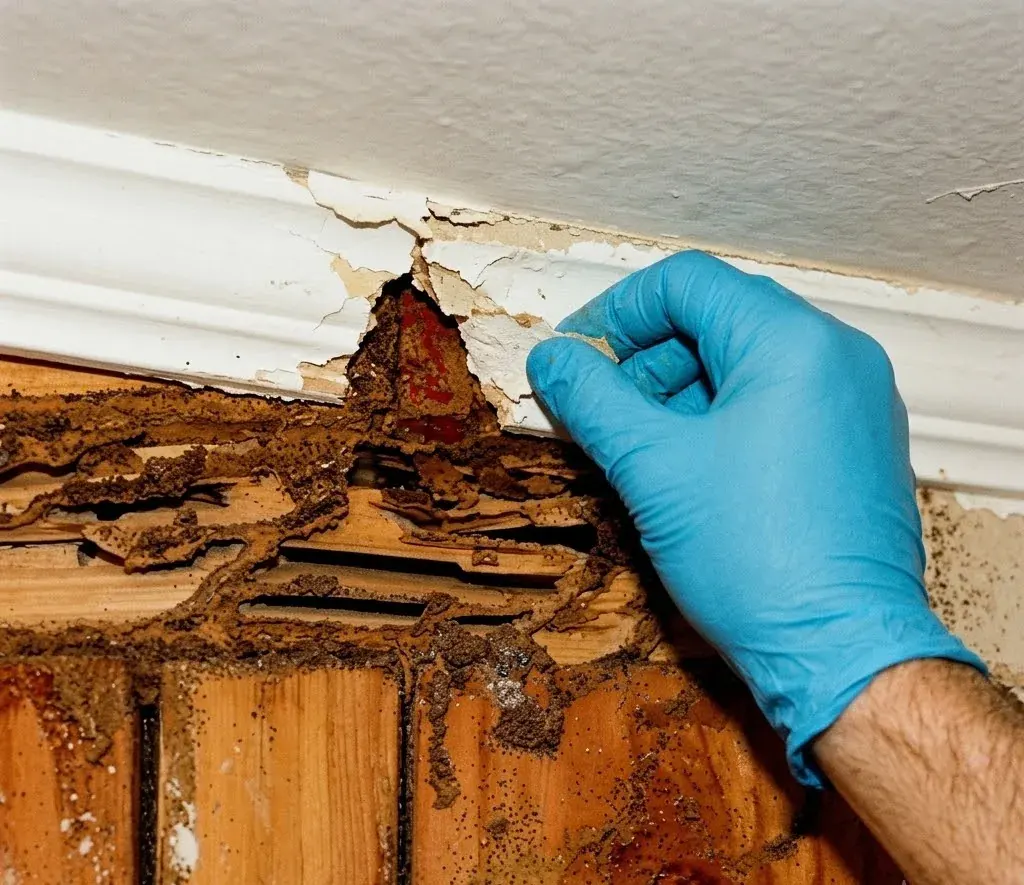
A tube on your Frederick foundation may point to a termite route, but it cannot confirm activity by itself. Learn what to record and why to leave it intact.
Read articleYou noticed a narrow tube along the foundation on Monday; its location can help focus a visit. For a Frederick address, first ask the pros we connect you with whether they cover that property and when an inspection might be arranged. Ask what the visit examines and whether it has a charge. Then clarify which treatment areas, monitoring duties, reports, and possible wood repairs are included. Written terms make it easier to understand the work before it begins.
Call (301) 756-1392