Changes in Wood Firmness
After a rainy fall day, you notice a change in a wood sill. In Frederick, damp soil and wood near a house can support termite activity when conditions allow. Check the adjoining wood for changes that may help show how far the affected area extends. A sill that looks newly worn deserves a closer look, but its appearance alone cannot identify the cause. Note where the change appeared and when you first saw it.
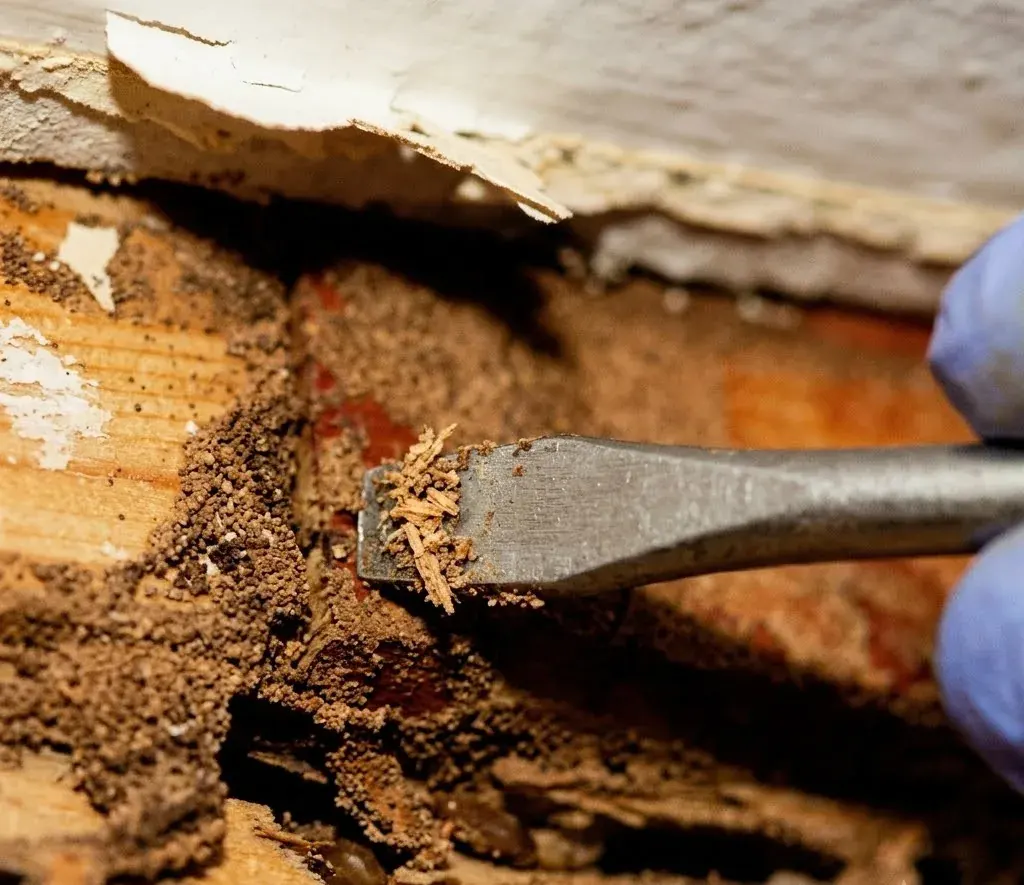
A board may lose firmness before its finish changes. The surface can feel less solid under gentle pressure, while the wood beneath gives way more easily than nearby material. Termites consume wood and other cellulose materials, which can reduce the strength of a member. Do not cut or pry into it to check. Record the location and appearance, then leave the area available for inspection.
Wall Finish and Edge Changes
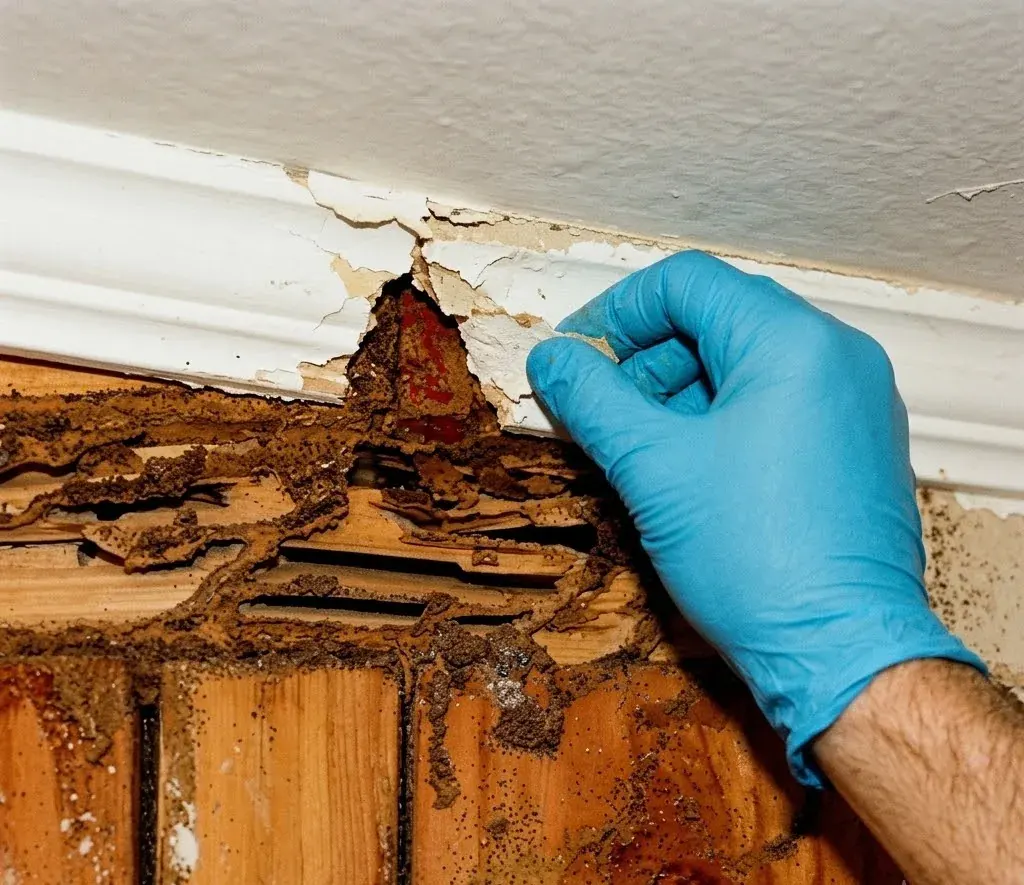
In fall, damp conditions can affect both wood and wall finishes. You may see paint lift, wrinkle, or form a raised patch where a wall once looked flat. In a Frederick home, that change is a reason to document the spot, not proof of termite damage in walls. Moisture can also alter finishes, so an inspection can help assess what lies behind the visible surface.
A new gap at a wall edge or a finish that shifts around a doorway can draw your attention. Cool spells and damp periods may affect building materials, so one change has more than one possible cause. If you live near the Frederick Historic District, the same careful check applies as elsewhere in Frederick. Photograph the area before patching or repainting it.
Floor Shifts and Trim Gaps
After a damp spell, a floor may feel different beneath your step. A soft patch, new dip, or changed give can point to weakened wood below the walking surface. In a Frederick house, that clue matters even when the flooring looks intact. Keep track of the exact spot and how it feels; a visual check cannot reveal the condition of covered framing.
Trim can show a different pattern from a floor. You might notice a new split, a lifted edge, or a section that no longer sits flush against the wall. Near Carroll Creek Linear Park or elsewhere in Frederick, ordinary wear and moisture can also change trim. Record what changed and where, then let an inspection assess whether the wood is affected.
Limits of a Surface Check
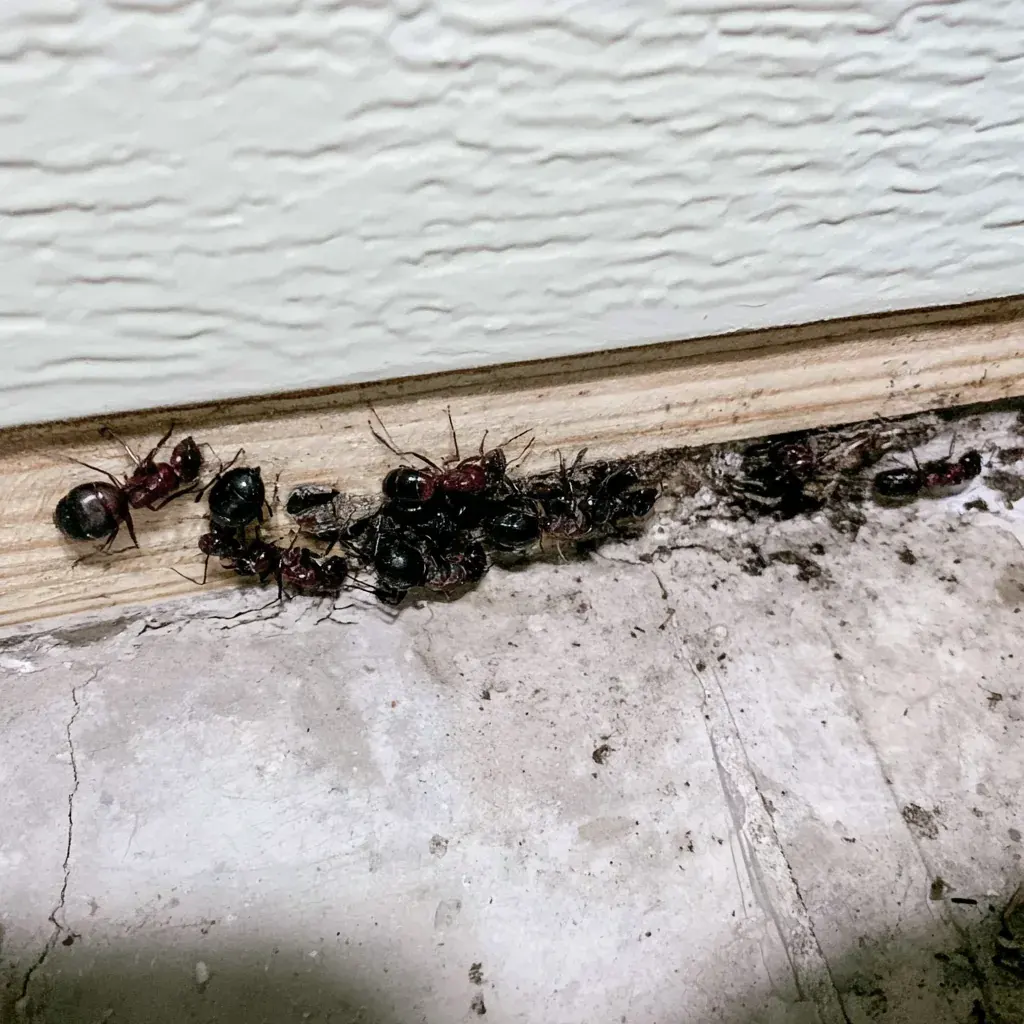
A room can look unchanged while wood behind paint, flooring, or trim has been affected. Conversely, a visible mark may come from moisture, wear, or another cause. Fall dampness can make surface changes easier to notice, but it does not confirm termites. Whether you are near Memorial Park or elsewhere in Frederick, an inspection can assess accessible areas and note what needs further evaluation.
Before covering or repairing a suspicious area, save a clear photo and note when you first noticed the change. Include the edge of the sill in the photo to show the change in context. Avoid disturbing the material so the pros we connect you with can assess it. In Frederick, arrange an inspection to review the visible clues and conditions around the affected area.
Dealing with termite signs at your home?
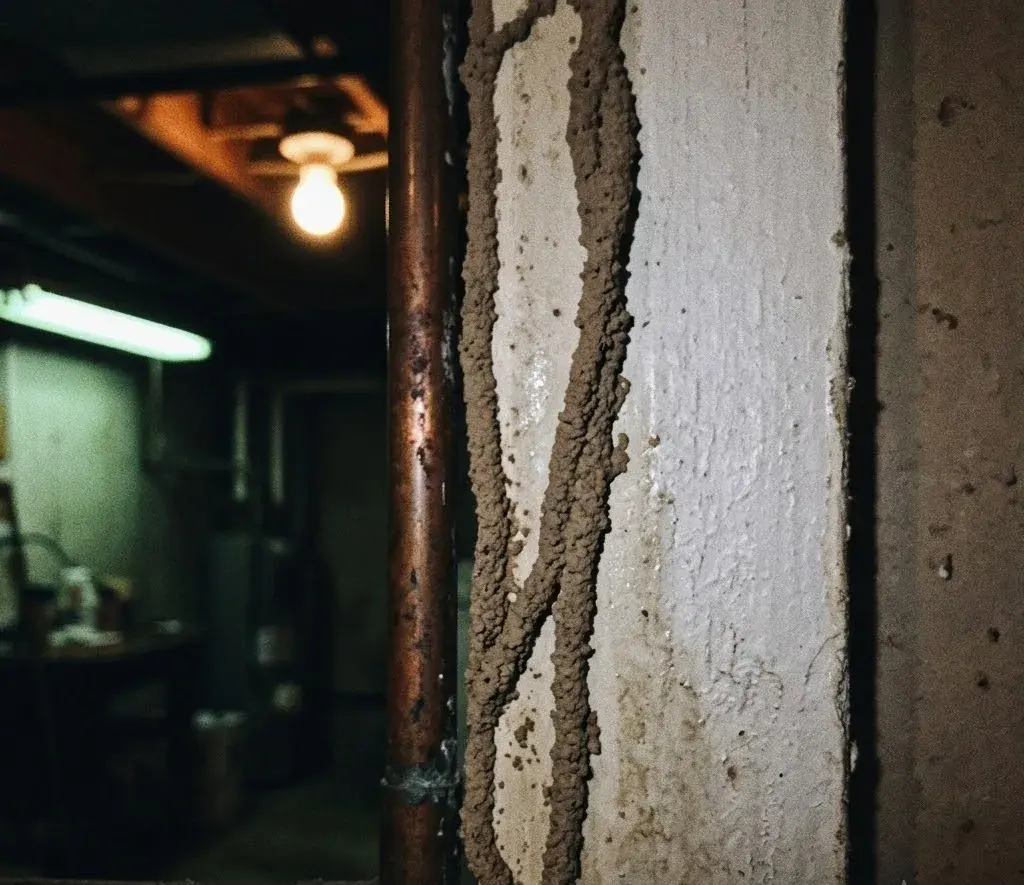
You saw a dirt ridge beside a basement sill while bringing boxes inside. In Frederick, that mark raises a question: is it termite activity? Only an inspection can sort a sign from activity and guide treatment choices. Properties near Main Street, Memorial Hall, or New Market need their own review. Ask the pros we connect you with about inspection and treatment availability. Check when a visit could happen and whether a visit charge applies. During inspection, ask what they observed, which options suit the findings, and what follow-up involves.