Problems Directory
What Goes Wrong With Termites in Frederick, MD
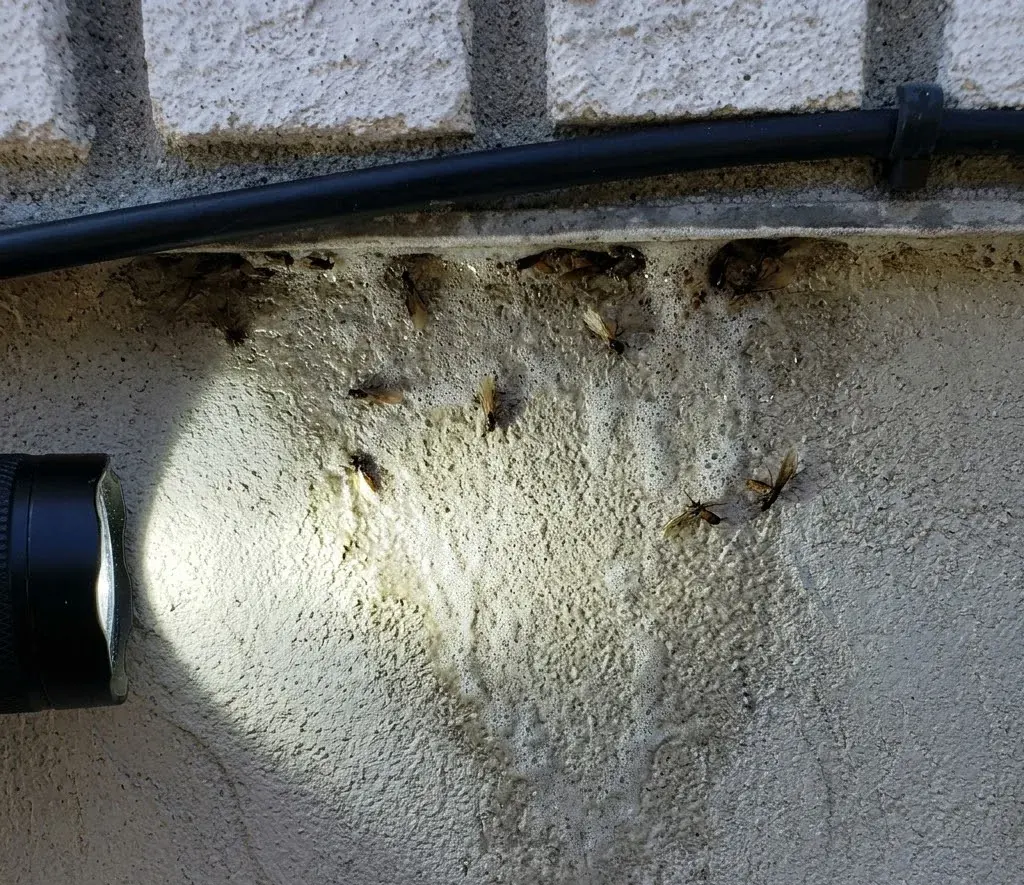
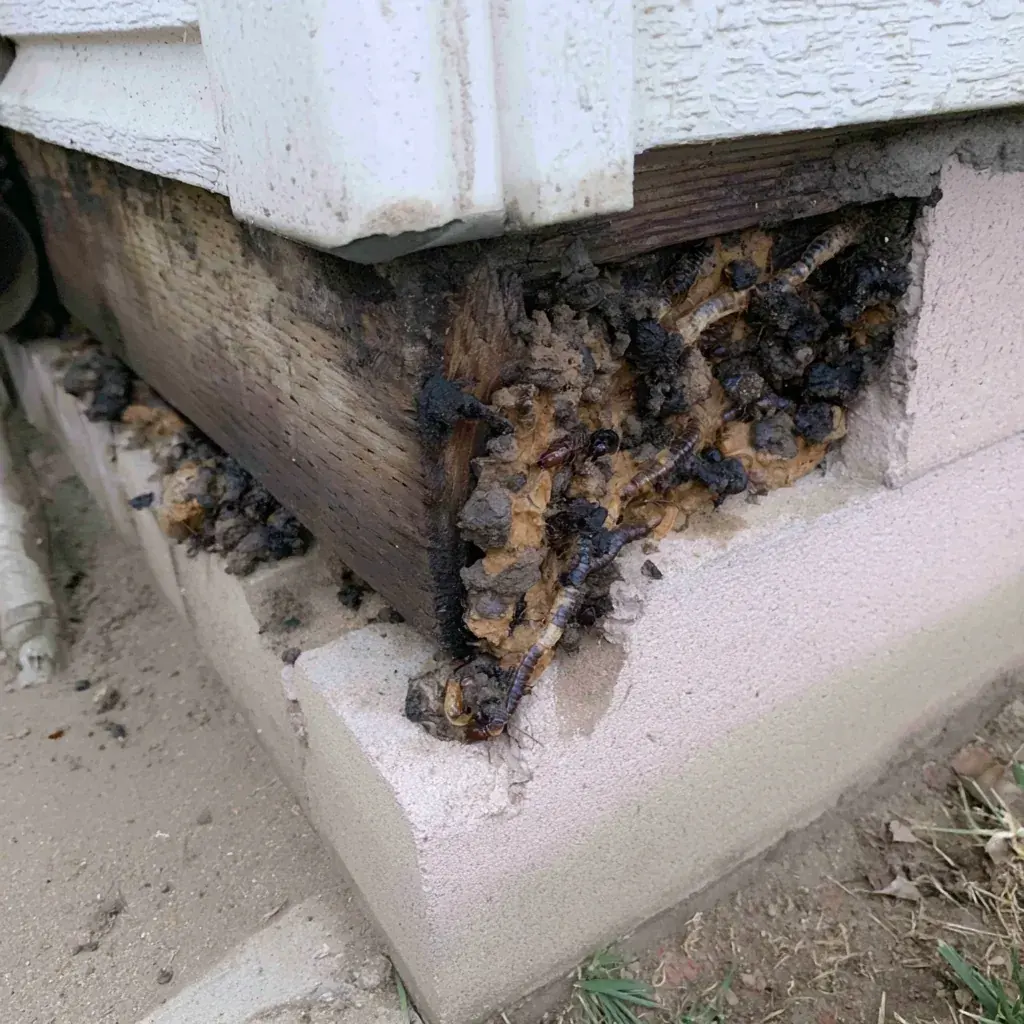
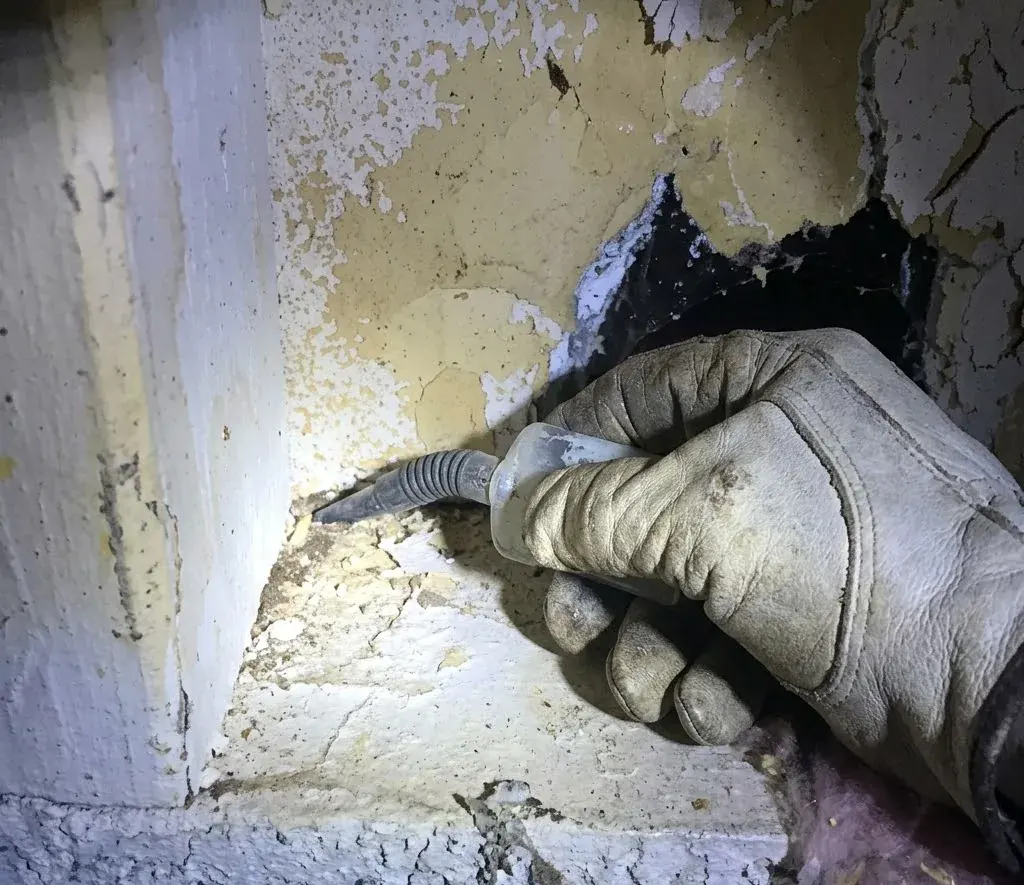
When a door frame starts to give, you may notice a soft edge before anything else. Shed wings, a narrow mud trace, or trim that sounds hollow can also prompt concern, but none tells you whether termites remain active. Moisture near wood can make an area more inviting to termites, so note any dampness nearby. Leave the marked area undisturbed. Damage can extend behind the visible surface, so the marked spot may not show its full extent.
AROUND THE HOUSE
The reported termite concerns gathered here are in Frederick and the surrounding Frederick County towns. Local guides explain signs, possible damage, and property conditions, then outline inspection, treatment, and repair considerations. Planning estimates are listed in the pricing guide.
An inspection gives the concern a location and a record. In Frederick, the notes can identify what was checked, where visible wood damage appeared, and whether damp areas or wood touching soil need attention. Use the property address to identify the structure; Carroll Creek Linear Park or Route 15 can help describe its location. Treatment choices depend on the property and inspection findings. Ask whether the recommended plan accounts for damp areas near the affected wood.
Active Termite Problems
Recurring Activity
Quick Answers
Termite Control Questions
What should I look up first after spotting a possible termite sign?
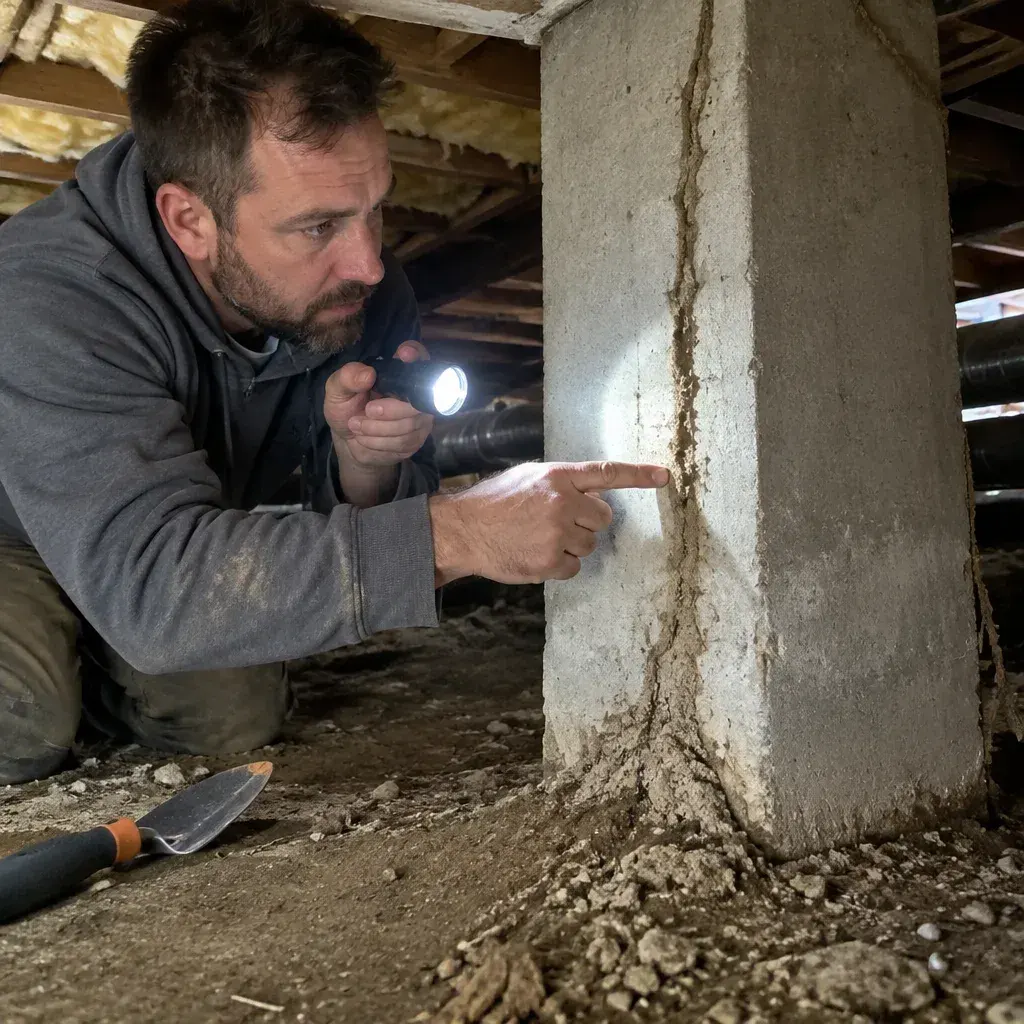
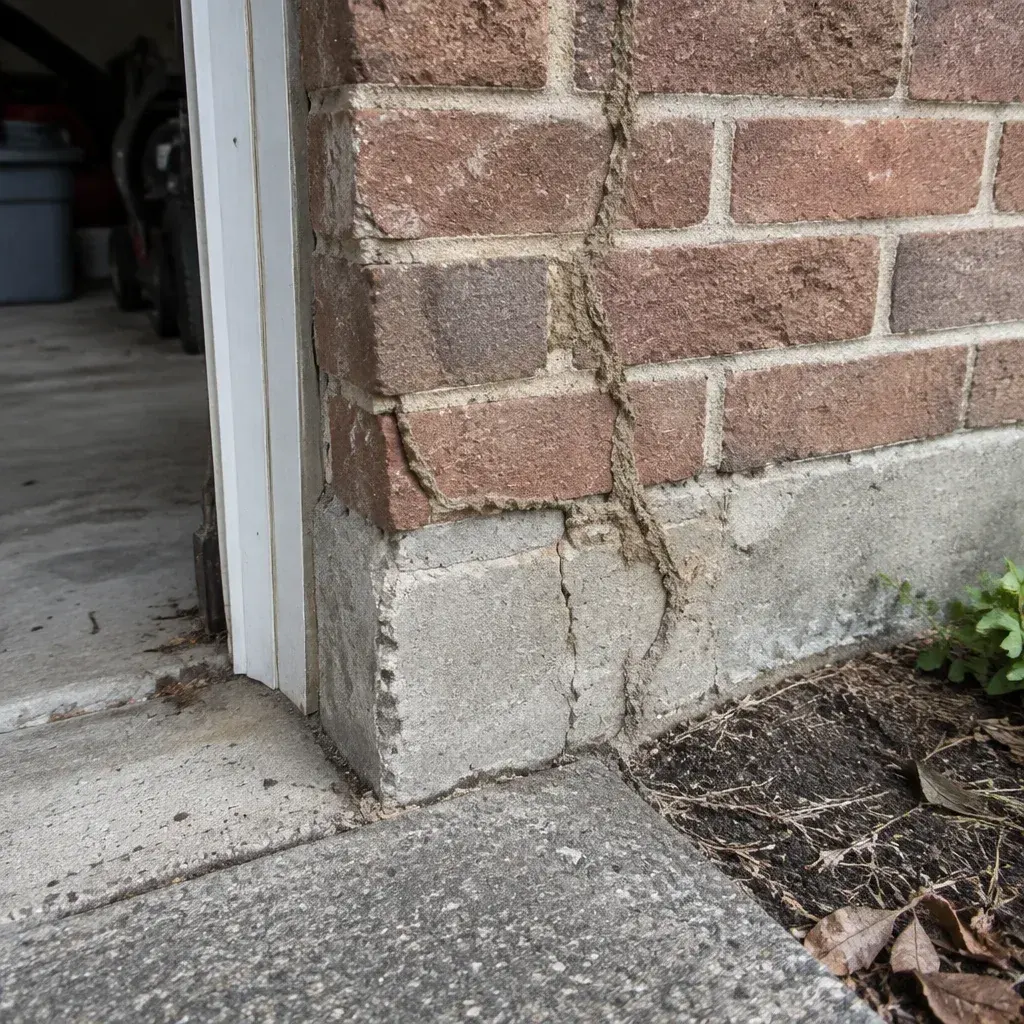
Start with the issue that matches what you noticed, then compare other clues if they overlap. In Frederick, a raised line on masonry belongs with the mud tube guide; loose wings or damaged wood point to other sign guides. A clear description of where the sign appears can help focus the inspection on the affected material. A sign alone cannot confirm termites. Read the matching topic, then use its inspection guidance to decide what details to share.
How can I tell termite damage from another wood problem?
A surface mark or soft area cannot identify its cause by itself. Termites can affect wood inside walls, while other conditions may also change what you see. Visible changes may be limited to one area, while other wood still needs assessment. The findings help separate a possible clue from a confirmed infestation and show whether an area needs closer evaluation.
Which page explains what to do after I find a possible sign?
When the clue is moisture beside framing or wood touching soil, start with the page on conditions around a home; it explains why those details matter. If a board seems soft, the wood damage page can help you understand why a visible mark may not show what lies inside. A hollow sound when tapped can be another clue that damage extends beyond the surface. The inspection page explains what an on-site check can examine.
Plan Termite Care
Start With Evidence From the Property
You saw a mud tube near the foundation and wondered why a treatment might miss it. Ask whether the inspection looked for damaged wood beyond the tube. The route matters because methods address different conditions. Ask the pros we connect you with to inspect the property and explain what evidence supports their recommendation. Request written findings and a scope that identifies treatment, monitoring, reporting, and repair responsibilities.
Call (301) 756-1392