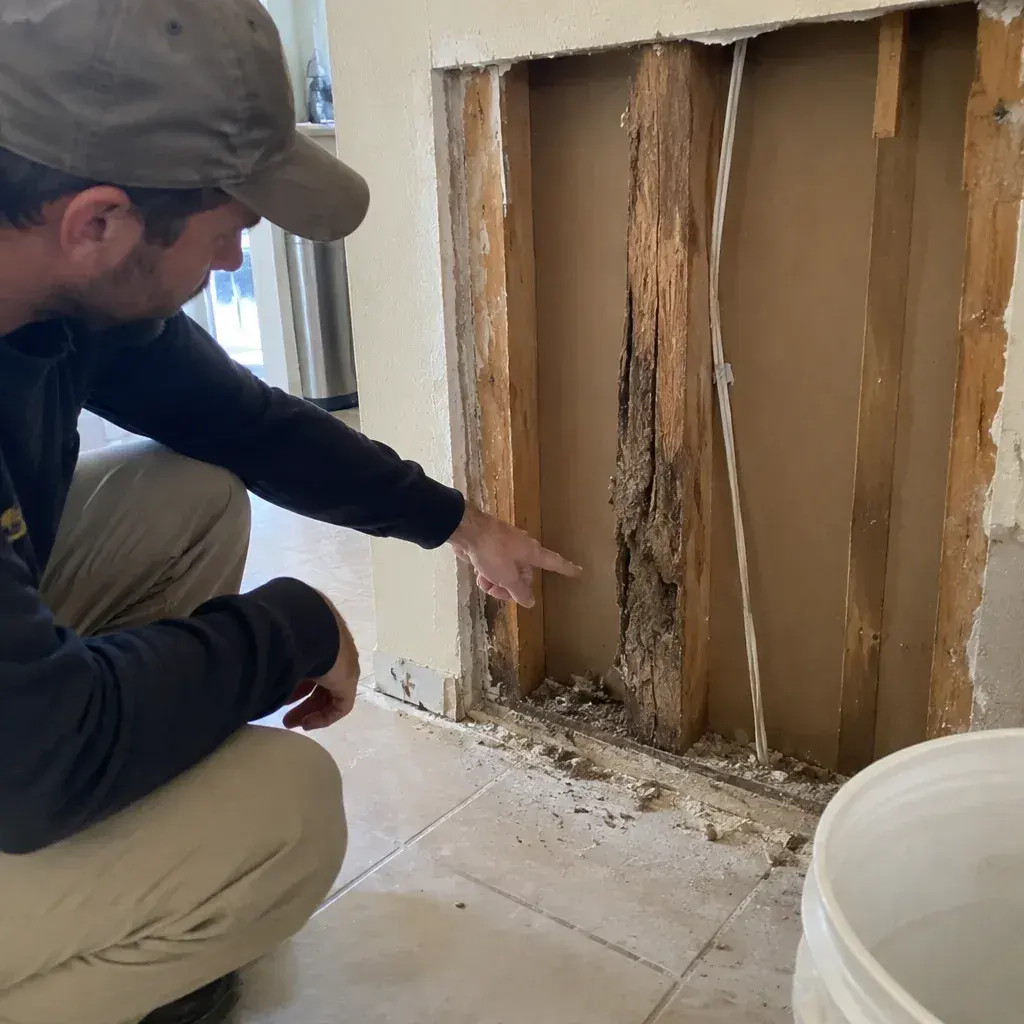
Termite Inspection
Check what accessible areas show, from foundation edges to interior wood.
View Termite Inspection help in Frederick
Mud on masonry, shed wings, or soft wood can prompt questions at a Frederick home. None of those clues alone tells you whether termites remain active or how far damage reaches. Note the room or outdoor spot and tell the pros we connect you with. Avoid scraping or pulling at suspected signs before an inspection. The inspection can compare clues with damage and site conditions, then clarify what needs attention. That context helps you decide what to ask next.
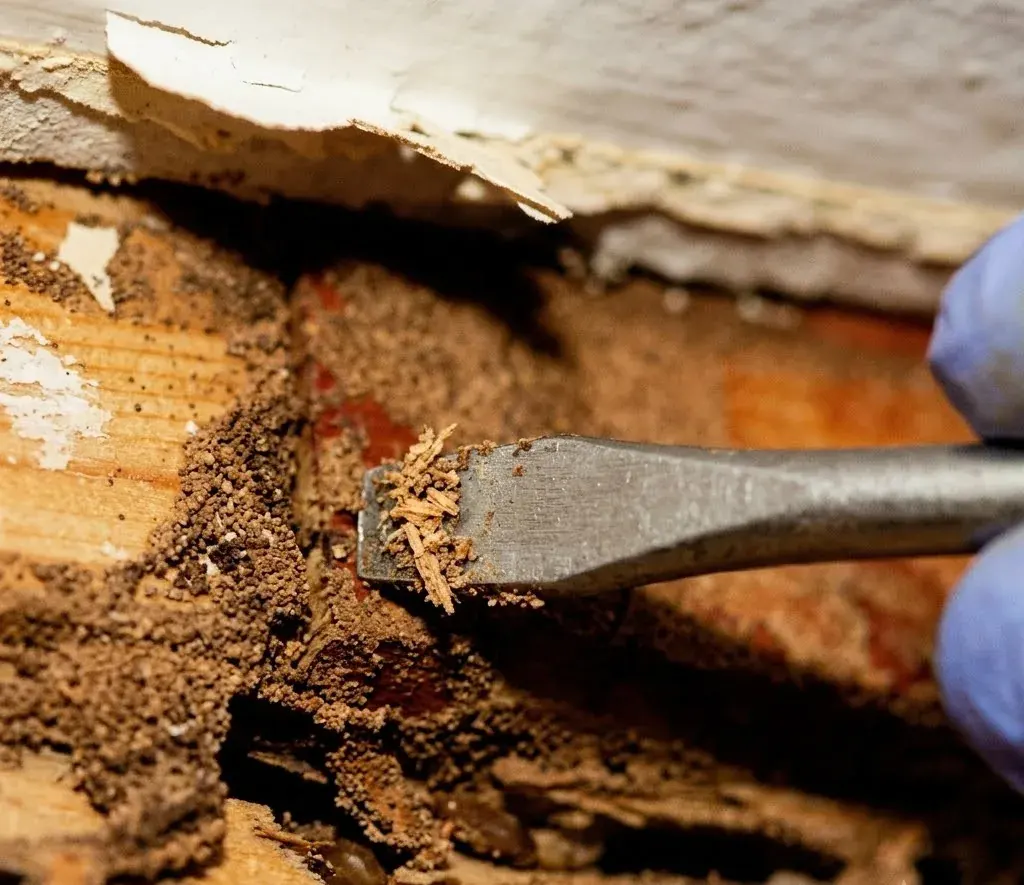
For a Frederick property, ask for a record of the inspection and the proposed tasks. Ask that any areas that could not be inspected, and the reason, be noted. Ask how the provider handles later signs, and whether any repair work falls outside termite treatment. Clarify how monitoring or follow-up would work and what terms apply. These details help you compare the written scope with the inspection discussion. What would you want explained before deciding?
Ask whether the goal is to address current activity, reduce risk, or both. Ask how the plan accounts for areas that are difficult to reach or inspect. Ask what product or system is proposed and why it fits the evidence. The pros we connect you with should explain any preparation needed before application. Product directions govern how treatments are used. A clear explanation helps you understand the purpose of the proposed work and what it is meant to address.
Check what accessible areas show, from foundation edges to interior wood.
View Termite Inspection help in Frederick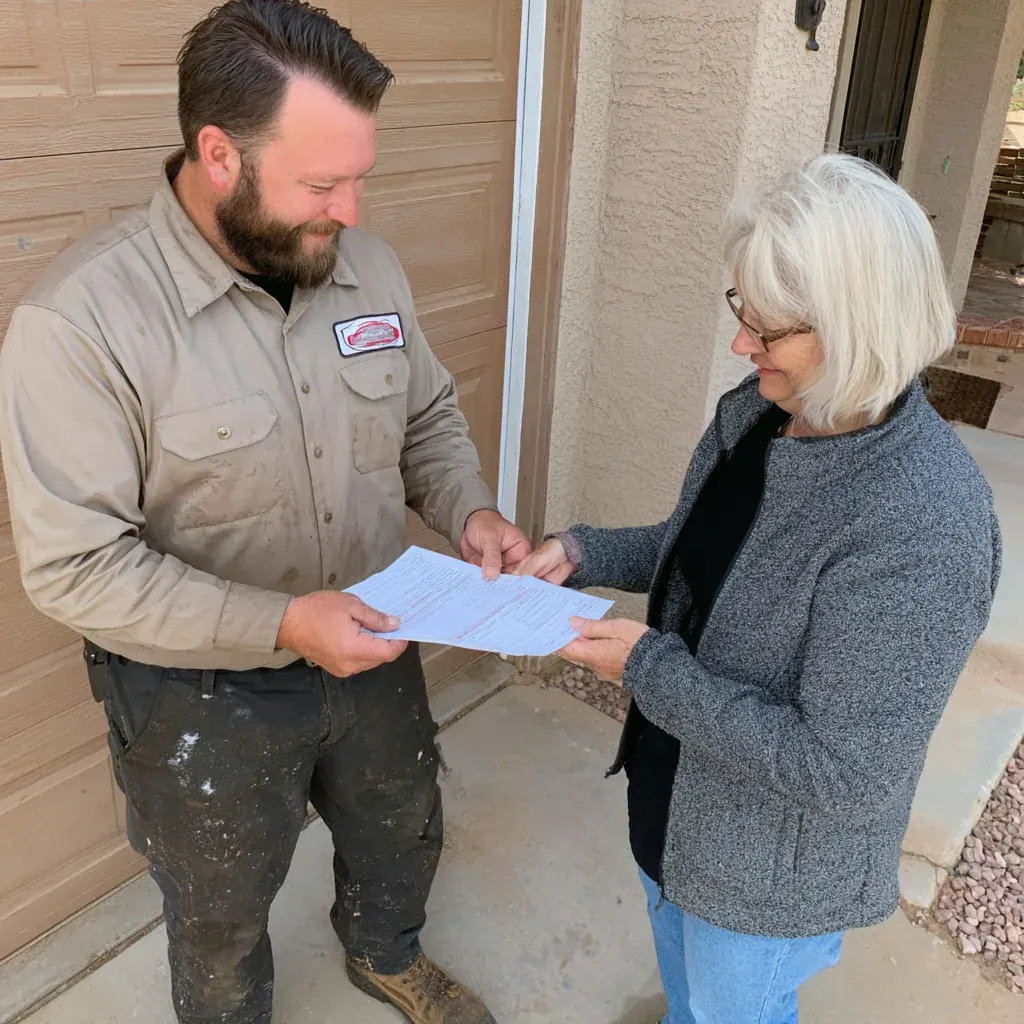
Ask what report format and inspection scope your Frederick transaction requires.
View Termite Report help in Frederick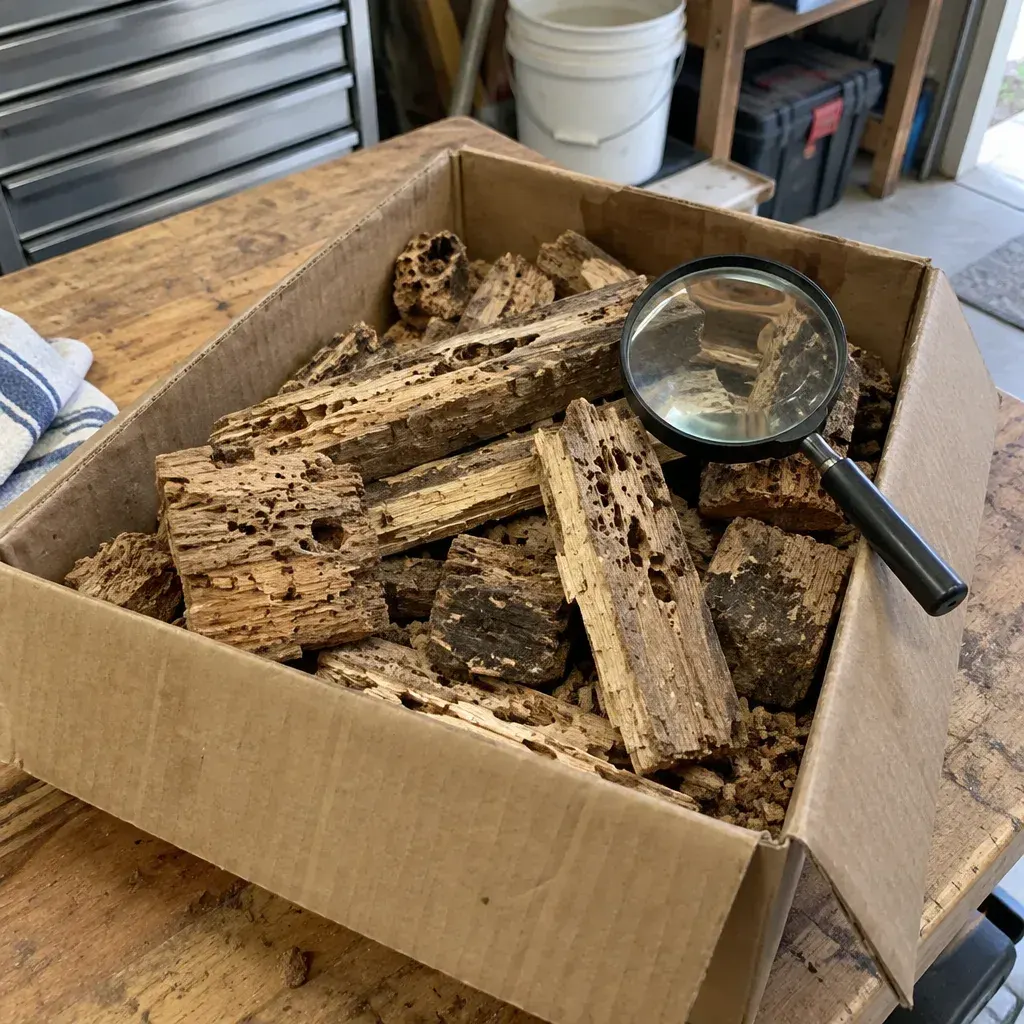
For Frederick homes near Baker Park, soil access can shape liquid termite treatment.
View Subterranean Termite Treatment help in Frederick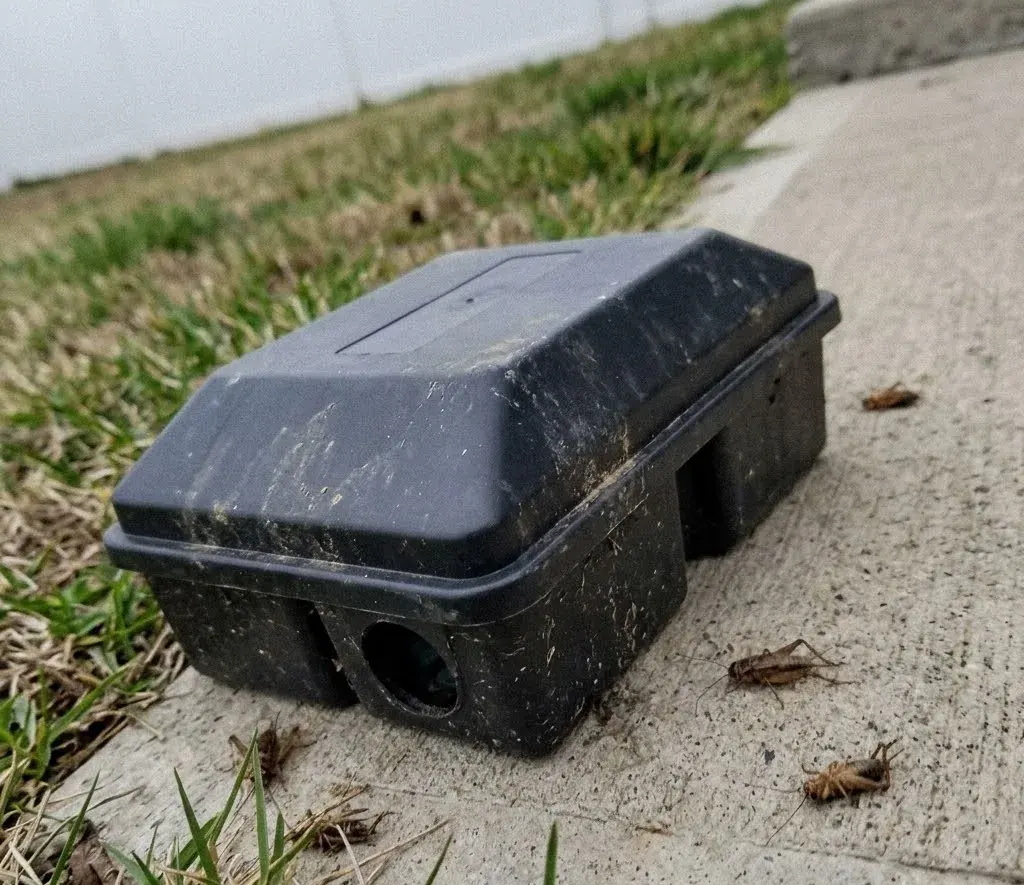
For Frederick homes, plan station placement around usable soil and clear access.
View Termite Bait System Installation help in FrederickA change in a sill or trim does not explain its cause. On a Frederick property, inspection starts with signs of termites, wood damage, and nearby conditions. Note whether signs have changed since the last inspection or repair. Keep outdoor wood and stored materials clear of areas scheduled for inspection. Observations help determine whether treatment, monitoring, a report, or repair merits discussion. Ask how the evidence supports each recommendation before work is planned.
Frederick requests can be tied to three listed ZIPs; the property address still guides the inspection and treatment discussion.
Termite control in FrederickZIP 21704 is associated with Urbana; confirm your address and termite service with the pros we connect you with.
Termite control in UrbanaWalkersville’s historic farming-town setting frames a build-era question; ZIP 21793 still needs address-level service confirmation.
Termite control in WalkersvilleMiddletown’s historic center adds property-specific scope questions; its ZIP helps start a service-area conversation.
Termite control in MiddletownInspection findings, treatment choices, and homeowner steps for Frederick homeowners.
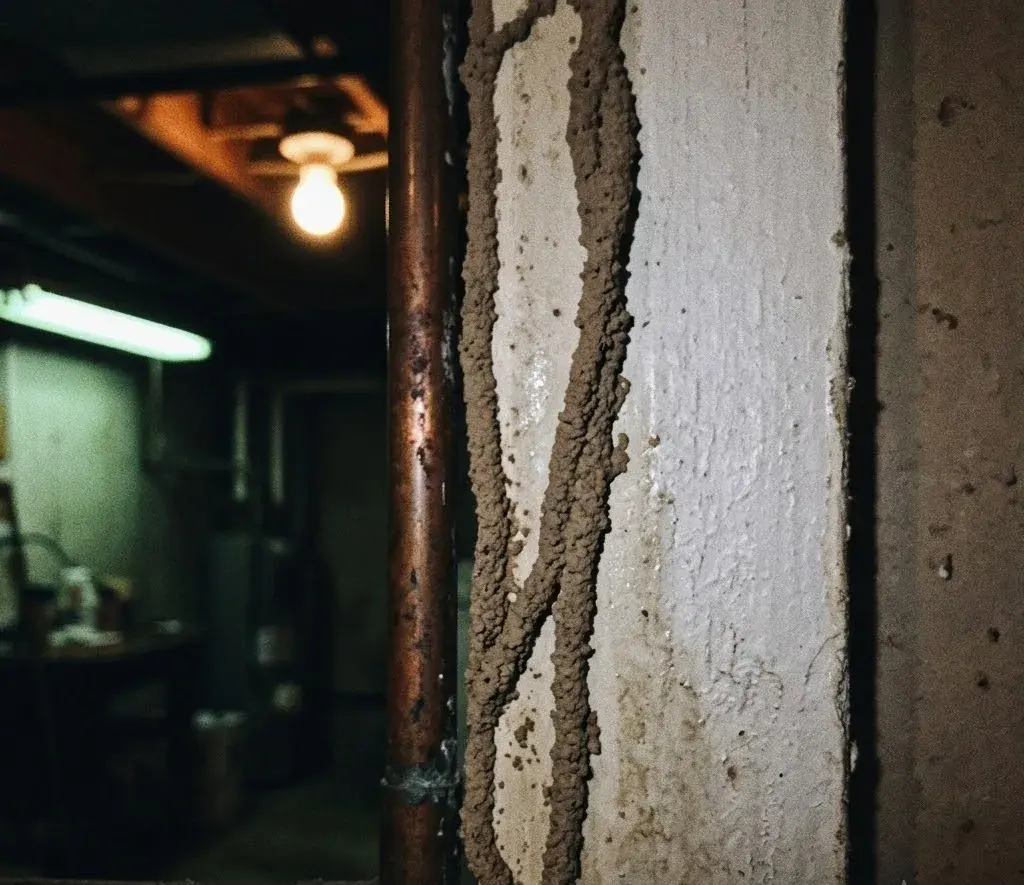
Fall dampness can draw attention to weakened wood, wall finish changes, or soft floors. Learn what to record in Frederick before arranging an inspection.
Read articleLearn how to distinguish termite droppings from dust and mixed debris, photograph a suspicious pile, and save a small sample for identification in Frederick.
Read article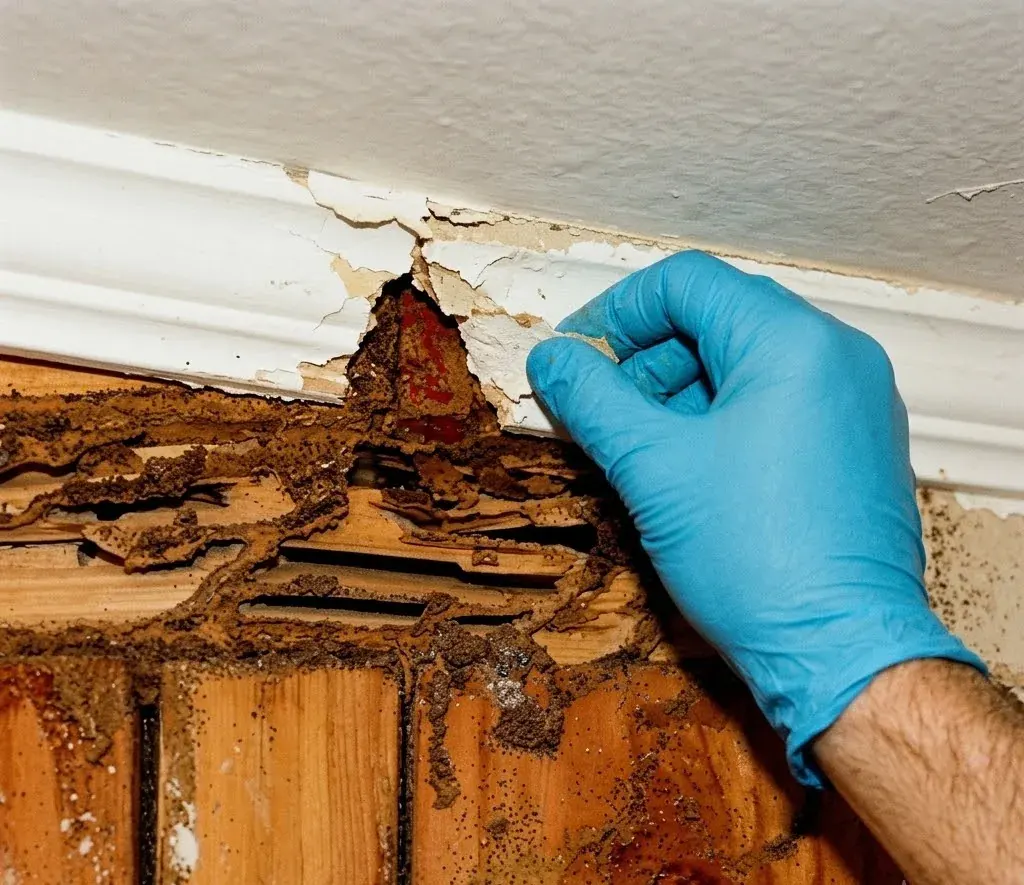
A tube on your Frederick foundation may point to a termite route, but it cannot confirm activity by itself. Learn what to record and why to leave it intact.
Read articleWhen you find a new mark on trim or a joist, note its room and leave it undisturbed for the visit. A mud tube or shed wings nearby can help the inspector understand what the mark may indicate. Ask how the inspection will account for wood hidden behind finished surfaces. The written scope should list recommended work, any monitoring or reporting, and repair items. Before work begins, ask which areas were inspected and what follow-up inspections or reports the agreement includes.
Call (301) 756-1392 or use the online form. Tell the pros we connect you with what you noticed and where, including whether insects or wood changes were visible. Ask what the inspection covers, when a visit may be arranged, and whether it has a charge.
Ask what accessible areas the inspector will check, how findings will be recorded, and what evidence separates suspected activity from confirmed termites.
Ask what safeguards apply to the spaces receiving treatment and which precautions the provider will record in the work plan.
Ask what station checks, treated areas, and activity reviews are included. Confirm the monitoring schedule and related terms in the written plan.
After a termite visit in Frederick, bait stations may need clear access for periodic checks. The stations are part of the treatment plan and may be reviewed during periodic checks. If you are unsure which stations are included in the plan, ask the licensed pros we connect you with. Do not cover them with mulch or block them with stored items. A clear path lets the provider reach each station during service. After treatment, follow the provider’s instructions for the equipment left at your home.
Tell the pros we connect you with what was found and when you noticed it. Ask about inspection timing, availability, and visit charges before arranging a visit.
Find out which areas and checks a visit includes. Request the proposed tasks and fees in writing before treatment starts.
Ask what parts of the home the inspection will reach and whether its report will note termite evidence and visible wood harm.
Ask what the inspection and station checks involve, then find out which written records you will receive afterward.
You found a mud tube beside the foundation today; it could be old evidence or active activity. Hidden wood in a Frederick ranch may keep taking damage before rooms show a change.
Discarded wings appeared by a window today; they cannot show whether termites remain. In a split-level in Middletown or Adamstown, concealed framing may hide damage behind sound-looking walls.
Ask the pros we connect you with whether they serve the property’s street address.
A porch post set against soil can give termites a route to wood. Moisture near wood also deserves attention during an inspection. Around Frederick, homes near Walkersville and Urbana have different layouts; the pros we connect you with handle Termite Inspection, Termite Report, Subterranean Termite Treatment.
For a home in Frederick’s Historic District, ask whether the plan uses bait stations and who will monitor them. Before work starts, review the written terms for follow-up visits, retreatment, and any conditions that apply.
A request tied to Frederick starts with the property address, since nearby communities can require separate referral checks. The pros we connect you with may serve communities from Frederick and Urbana to Walkersville and Middletown, depending on the location you share.
An inspection can look beyond one damaged spot to consider surrounding wood and the conditions that support termite activity. In Frederick, those clues call for inspection, not a conclusion from appearance alone. A tube may mark a path from soil, and wings may follow a swarm; damaged boards can reflect earlier activity or hide more. The inspection also checks moisture and wood-to-soil contact, which can support termite activity without proving it is present. Whether your home is near Route 15, Urbana Community Park, or Middletown Historic District, the pros we connect you with can assess findings and discuss treatment.
Along a Frederick foundation, the first pass follows the visible edge where soil meets the structure. The inspector checks for wood touching soil, damp areas beside wood, and spots where the foundation or stored items block the view. Subterranean termites can enter through hidden wood contact, so a clear exposed edge does not show what lies behind a finish. The notes distinguish areas viewed from those not reached. That distinction keeps unseen sections from being mistaken for areas the inspection cleared.
Termite Inspection →A report for a home near Baker Park should make the visit boundaries clear. It can state which parts of the structure were included and note places the inspector could not reach. That distinction matters when stored items, locked doors, or finished construction block a view. The written record helps you see what the inspection actually covered. Ask the requesting party whether those limits fit its transaction requirements before relying on the document.
Termite Report →Soft spots, blistered paint, or hollow sounds may also deserve closer attention. Termite activity can remain hidden behind trim, flooring, or stored items. In Frederick, the inspection should identify where evidence appears and which areas were accessible. Avoid disturbing a suspected tube before the visit. Note its location and share what you observed. The findings can help determine whether a liquid termite treatment fits the property and which foundation sections need attention.
Subterranean Termite Treatment →Station spacing follows the selected system’s directions and the property’s accessible ground. A paved walk or porch may interrupt a simple perimeter layout. In Frederick’s older residential areas, additions and narrow side passages can also limit access. The installer should show you where each unit is planned and identify sections that cannot be reached. That map matters later because buried stations need to stay findable and accessible for service. Do not assume a visible lid means every side of the structure is covered.
Termite Bait System Installation →Use the topic closest to your question to prepare before speaking with a provider.
Compare how inspections, treatments, station checks, monitoring, written reports, and repair work appear in each proposed service plan.
The home guide explains what signs can mean, how inspections work, and what to settle before service.
Ask the provider to explain unfamiliar wording in the inspection report, treatment description, or service agreement in everyday language.
Treat a mud tube, shed wings, or wood changes as clues to examine during inspection.
Ask who will inspect the house, which areas they can reach, and whether the visit or written estimate carries a fee. Request the proposed work and any exclusions in writing. Ask what Maryland requirements apply to the business and applicator, then verify those details directly. Whether your home is near Urbana Regional Library, New Market Middle School, or Main Street in Middletown, these questions help you assess the offer on its own terms.
Choose a provider who explains the inspection process, names the person who would inspect and treat, and ties recommendations to observed conditions. Ask what training and credentials those people have, what products they may use, and how they follow product directions. If you live near Urbana, compare those details in writing before choosing.
The licensed pros we connect you with can ask about previous treatments as part of the visit. They may also note moisture and places where wood meets soil. In Frederick, you can point out where you noticed a change; leave suspected activity undisturbed until the visit. The findings help determine what needs closer review.
Ask for findings that identify what the inspector saw and which areas were checked. A treatment scope should state the proposed method, where work would occur, preparation, and any exclusions. For a home near the New Market Historic District, request those details before work begins. The paperwork helps you see how the recommendation follows from the inspection.
Put each proposal beside the others and compare the areas treated, method, preparation, monitoring, and follow-up. Check whether wood repairs are included or left to another contractor. A proposal for a home near the Middletown Historic District may cover different work than another; ask each provider to explain gaps before comparing totals.
Ask who will inspect and who may apply treatment, then request their relevant training and credentials. Ask what business or applicator requirements apply to the proposed work, and how products will be used according to their directions. In Frederick, get the answers in writing so you can compare the people and process behind each recommendation.
The service agreement should state how often stations are checked and who handles each visit. Ask how the provider records station activity and shares updates with you. Keep the stations reachable, since stored items or yard work can block access. A report should also describe what the inspection found in the areas that could be examined. In Frederick, the schedule depends on the written plan and the conditions found at your home.
Compare the work each estimate includes, the areas it covers, and any follow-up conditions. Check whether monitoring, repairs, or later visits are separate tasks. Ask what would trigger retreatment, how long the agreement applies, and what responsibilities fall to you. Termite methods can differ with the findings and property conditions, so compare the stated scope before comparing totals. Have each provider explain unclear terms in writing.
The inspection report can help separate treatment needs from repair planning. Damage inside walls or other closed spaces may not be visible during the visit. Ask whether repair assessment is included in the proposal or needs a separate specialist. Have affected wood evaluated before planning repairs.
The estimate for termite control is $700–$1,600 for this work; treatment choice can change what is included. Ask the pros we connect you with why the proposed approach fits the findings.
You spotted wings beside a window this morning, or found a tube along the foundation. In Frederick, note the room and surface, then leave suspected signs in place for the inspection. A visit can assess visible evidence and wood, while the property’s layout may limit what is accessible. Ask the pros we connect you with about scheduling and any visit charge, then discuss suitable treatment, follow-up monitoring, and retreatment conditions. Ask the licensed pros we connect you with how to prepare rooms and belongings before treatment.
Call (301) 756-1392