Pellets or Fine Dust
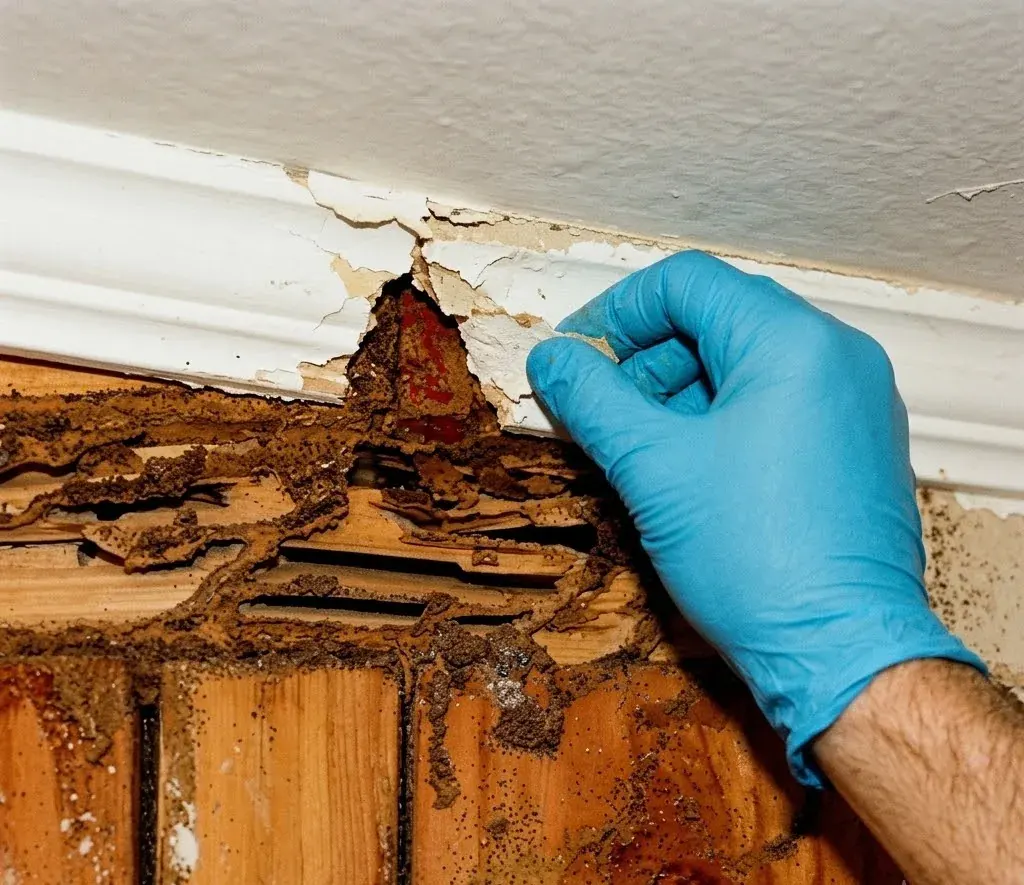
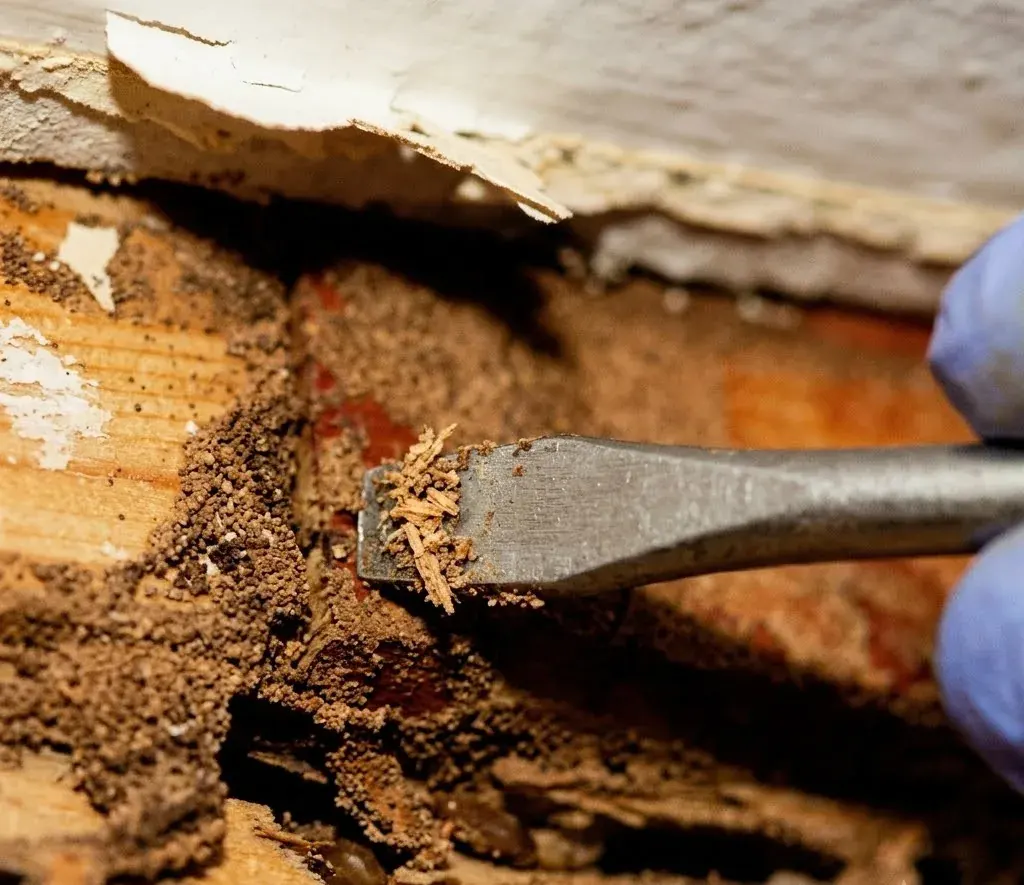
On Tuesday, you found a dry pile beside wood trim in Frederick. Pellets can suggest drywood termite frass; loose dust alone tells less. Soil or gritty debris may accompany subterranean termite activity. Other insects can leave similar residue, so guessing can lead to the wrong treatment. Don’t sweep, spray, or vacuum the spot; you could remove useful clues. Photograph the pile, note its location, and seal a small sample. Tell the pros we connect you with what you saw. Near Urbana Community Park, Main Street, or Memorial Hall, use the same careful steps.
Fine dust alone gives you little to identify. Sawdust often contains uneven flakes or fibers, while drywood termite pellets tend to look more alike. Household dust can mix with either and blur the difference. A Frederick home near the New Market Historic District might have old woodwork, but age or appearance cannot identify a pile. Avoid deciding from color alone. Check whether the particles have consistent shapes, and whether they seem to come from one spot.
Where the Particles Land
The landing place can help you trace the source. Check the sill, floor, or trim directly below the scatter, then look for a small opening above it. Pellets may drop out and gather where the wood meets a ledge. In a Frederick split-level, material on an upper window sill has a different path than debris beside a basement wall. Note the exact surface and nearby wood. A location clue narrows the question; it does not settle the identification.
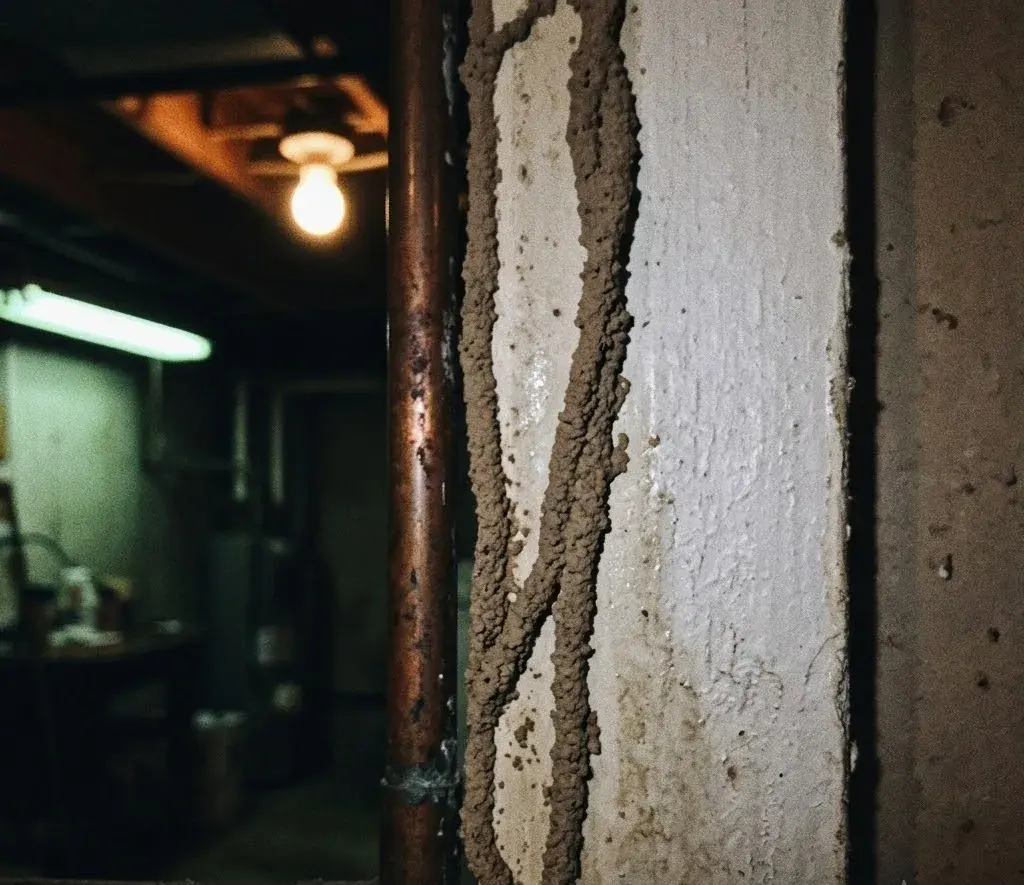
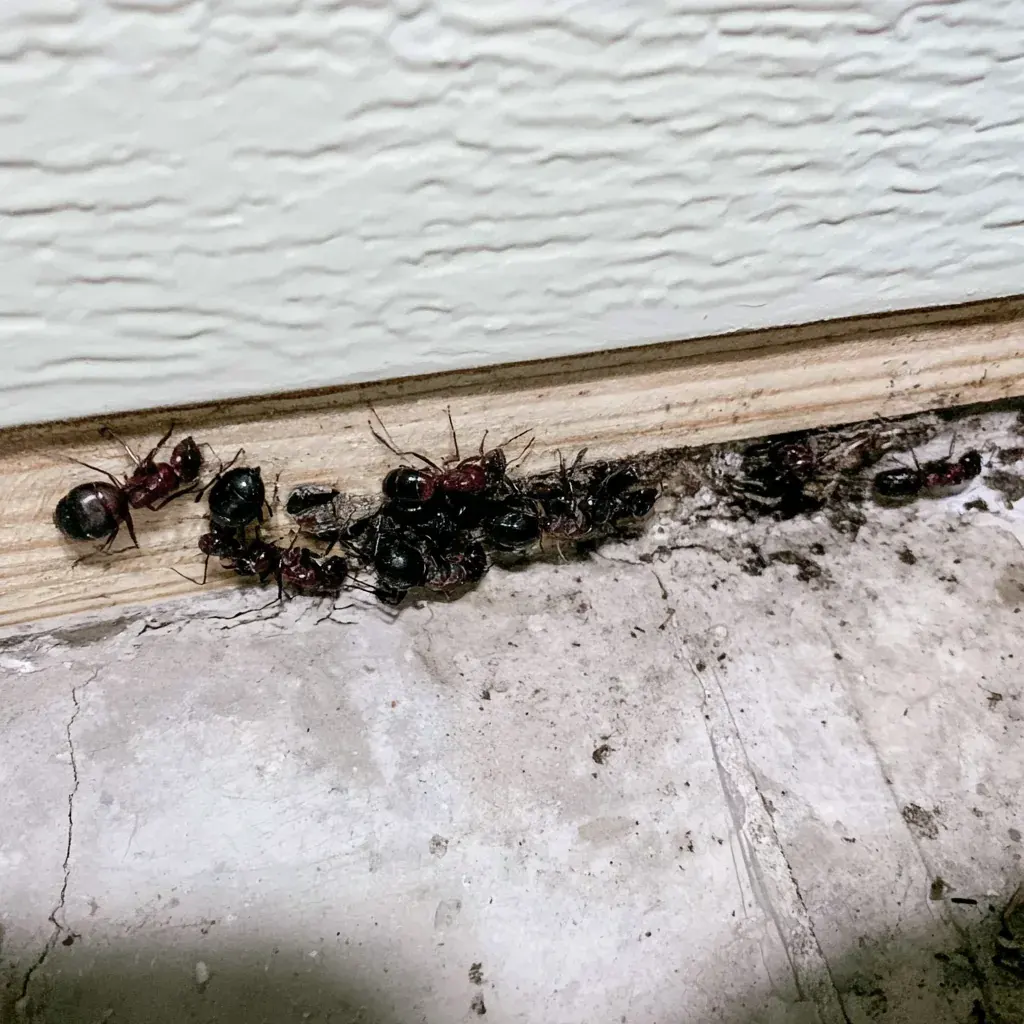
Not every pile beside wood came from termites. Subterranean termite activity can leave soil mixed with debris, rather than a neat group of dry pellets. Carpenter ant frass may contain rough wood bits and other material. A Frederick ranch near Urbana Community Park could have either kind of debris, or ordinary dust from household work. Compare the pieces without touching them. A mixed, crumbly pile differs from a scatter of similar pellets, but appearance alone cannot confirm its source.
Photograph and Collect a Sample
Before cleaning, photograph the whole area and then take a close view. Include the nearby trim or surface so the pictures show where the pile formed. Write down the room, exact spot, and what the particles looked like. If the scatter returns after routine cleaning, record that too. For a Frederick home, these details help keep a later identification tied to the right location. A close photograph without its surroundings can hide useful clues.
For a small sample, use clean paper or a spoon to move a few particles into a sealed container. Label the container with the room and collection spot. Keep it separate from other dust or repair debris. Do not pry into wood or enlarge a suspected opening to get more material. A careful sample from a Frederick property can help the pros we connect you with compare the particles. The aim is identification, not a larger pile.
Confirm Before Choosing Work
A photograph or sample can narrow the possibilities, but neither proves termites are present. Ask the pros we connect you with what features support their identification and what remains uncertain. They can compare the material with its location and inspect accessible areas around the suspected source. Whether your Frederick home is near Middletown Historic District or elsewhere, a pile should be considered with the property context. Ask for the reasoning in plain terms before accepting a recommendation.
A costly mistake is treating an uncertain pile as a confirmed source. Ask what the inspection found, where the material appears to originate, and how that evidence supports proposed work. Request written findings that identify the examined location and any limits of the inspection. A sample alone may not show the extent of activity or damage. For a Frederick property, keep the report with your photographs and sample notes. Clear records make later questions easier to answer.
Dealing with termite signs at your home?
You saw a dirt ridge beside a basement sill while bringing boxes inside. In Frederick, that mark raises a question: is it termite activity? Only an inspection can sort a sign from activity and guide treatment choices. Properties near Main Street, Memorial Hall, or New Market need their own review. Ask the pros we connect you with about inspection and treatment availability. Check when a visit could happen and whether a visit charge applies. During inspection, ask what they observed, which options suit the findings, and what follow-up involves.