Why Subterranean Termites Build Tubes
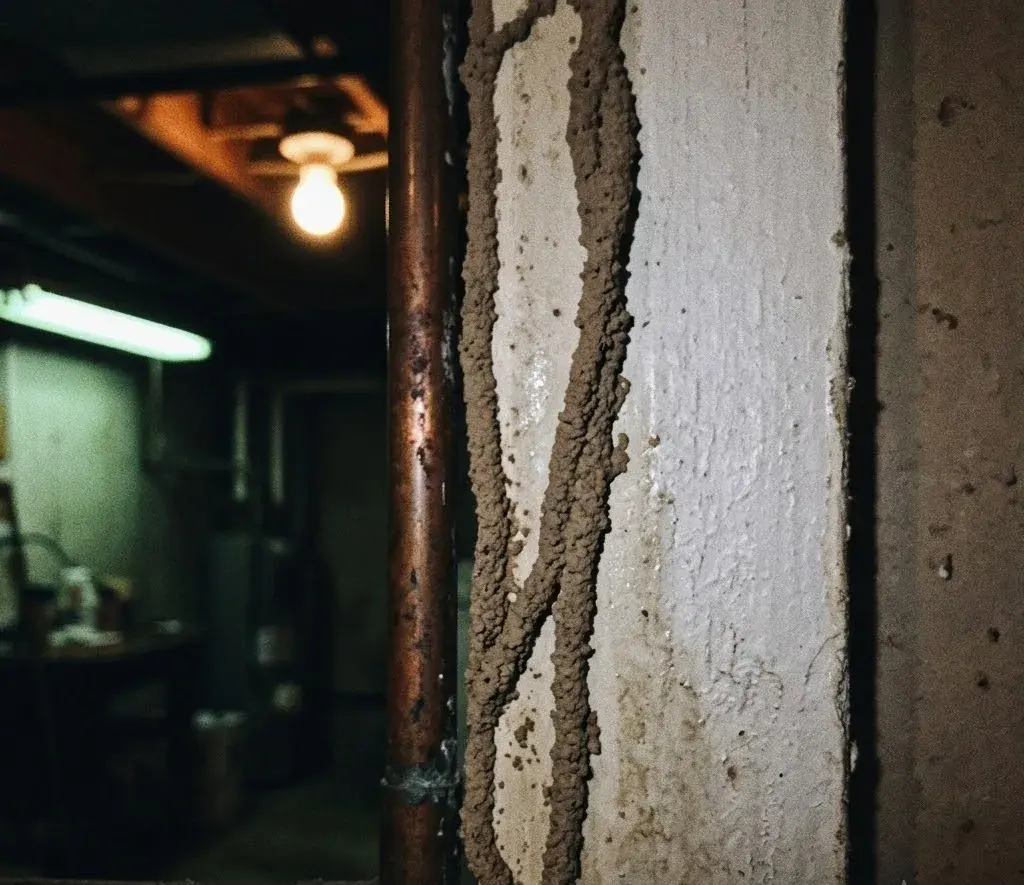
You spot a raised line on your Frederick foundation. A termite mud tube is an enclosed track built by subterranean termites. It can connect soil with wood, giving termites a covered route toward a structure. A raised line can be a visible clue to a path that would otherwise go unnoticed. The tube points to a possible path into the building. It gives you a reason to investigate, but does not show that termites are inside your home now.
A tube may appear as a thin, uneven ridge or a rough strip running over masonry. Some follow a foundation seam; others climb toward a wood element. On a ranch or split-level in Frederick, the visible line may be outdoors and easy to overlook. Its shape and position are useful clues about how termites may be moving. They do not identify the full route. Look at where the tube begins and ends before drawing conclusions.
What a Tube Can and Cannot Prove
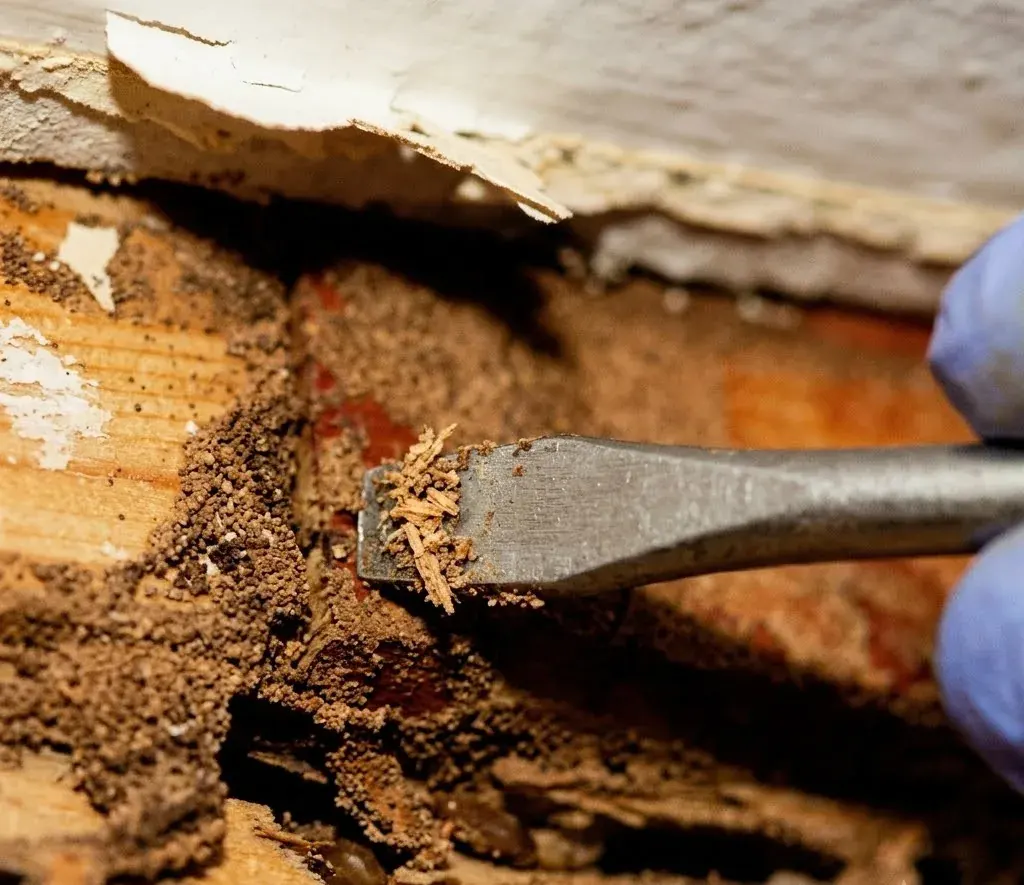
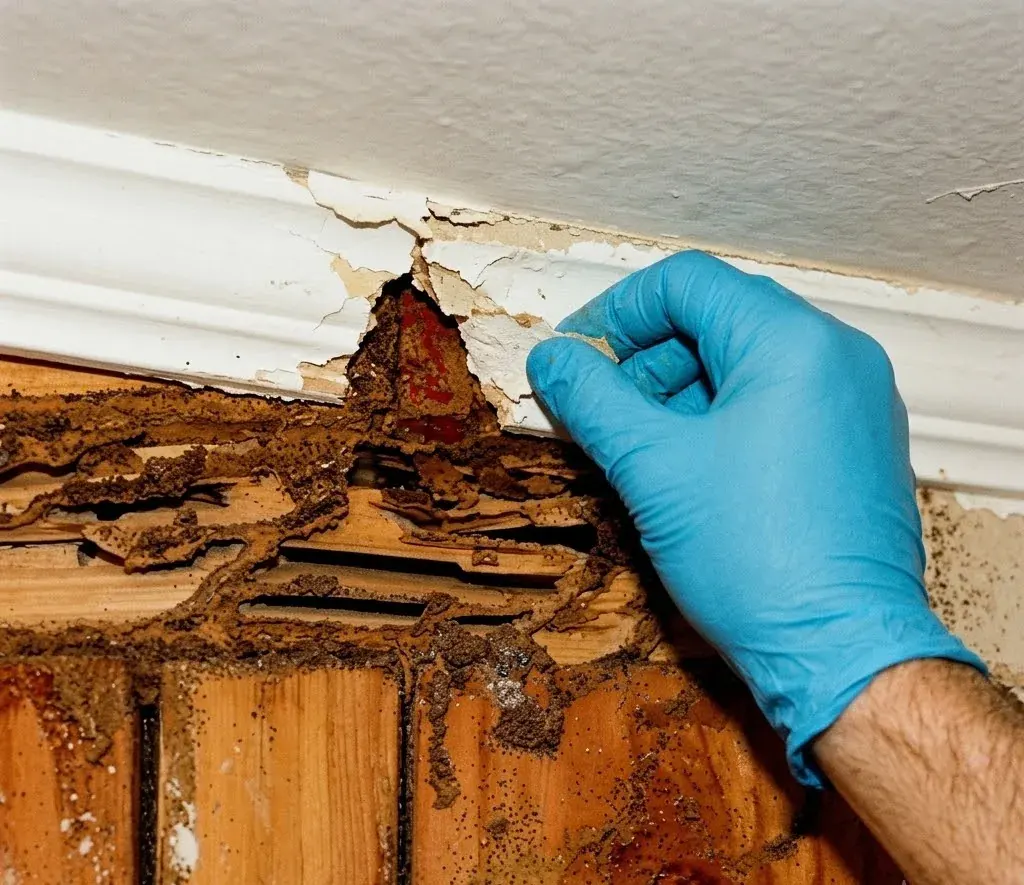
A mud tube on a Frederick home suggests possible subterranean termite activity near that spot. Its presence alone cannot confirm current activity, prove termites reached framing, or show how far they traveled. A tube may mark a route between soil and a structure, while other activity could be out of view. The clue is local to what you can see. An inspection can consider it alongside accessible areas and conditions around the house.
Leave the tube in place while you arrange an inspection. Keep tools and stored items clear of the tube while you wait for the inspection. It also will not show the extent of any hidden activity. If you find one near the Frederick Historic District or elsewhere, note its position first. Then share that detail with the pros we connect you with. They can assess the tube during an inspection.
Where to Look and What to Record
Check the outside foundation where soil meets masonry, around visible seams, and near wood that touches the ground. A tube may cross a flat surface or rise along an edge, so scan the full visible section. At a Frederick home near Baker Park or farther along Route 15, the foundation design may differ from another property. Focus on what is actually present at your house. The tube’s location helps describe a possible entry route.
Record the tube before contacting an inspection provider. Take one close photo that shows its surface and another wide photo that shows its place on the Frederick home. Include a nearby corner, door, or other fixed reference. Write down which side of the house you saw it on and when you noticed it. Keep the images with your notes. This gives the inspector a clear starting point without changing the tube itself.
What an Inspection Can Clarify
An inspection can assess whether the tube fits a termite route and look for activity in accessible areas. The inspector can also consider possible entry points and conditions such as wood contacting soil. Those findings help distinguish a visible clue from a confirmed property concern. For a Frederick home near Carroll Creek Linear Park or elsewhere, the assessment depends on what can be examined at that property. The tube alone cannot settle the question.
After documenting the tube, arrange an inspection with the pros we connect you with. Share your photos, location notes, and any other details about where the tube runs. In Frederick, the useful next step is an assessment of activity and possible entry points at your home. Keep the tube visible until you receive guidance. The inspection findings can clarify what the clue means for this property and what questions remain.
Dealing with termite signs at your home?
You saw a dirt ridge beside a basement sill while bringing boxes inside. In Frederick, that mark raises a question: is it termite activity? Only an inspection can sort a sign from activity and guide treatment choices. Properties near Main Street, Memorial Hall, or New Market need their own review. Ask the pros we connect you with about inspection and treatment availability. Check when a visit could happen and whether a visit charge applies. During inspection, ask what they observed, which options suit the findings, and what follow-up involves.