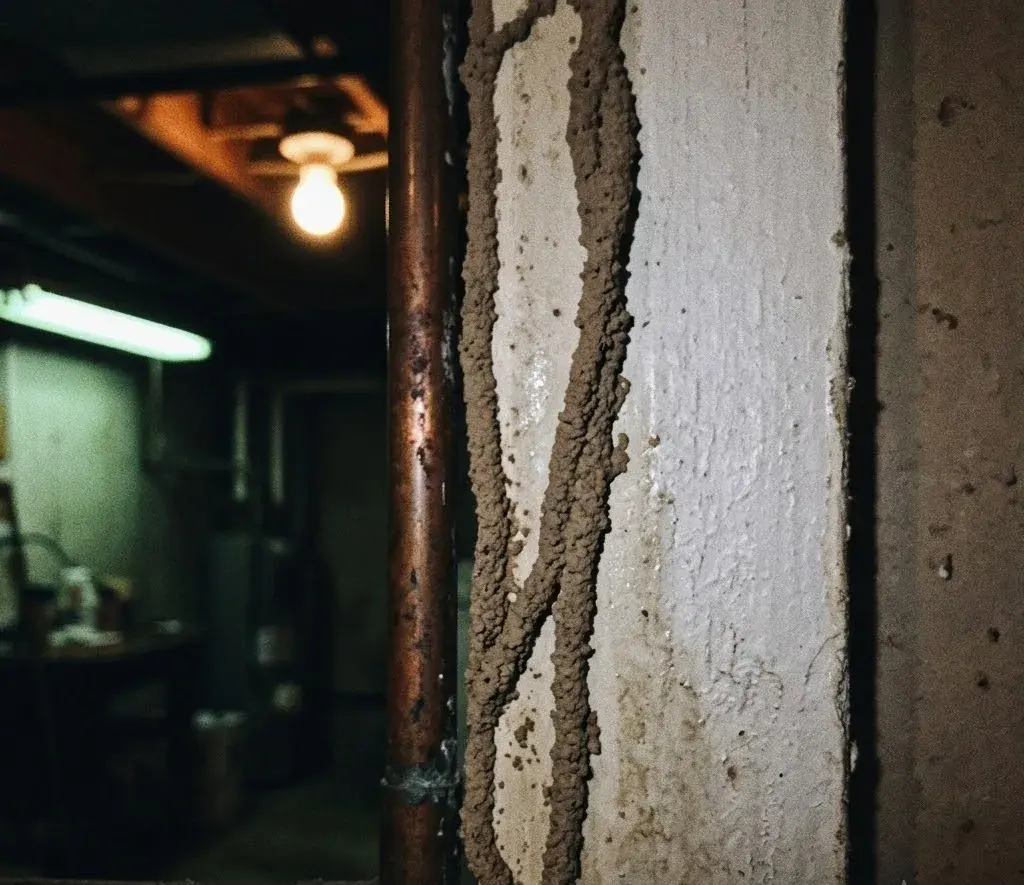
Signs of Termite Damage
Fall dampness can draw attention to weakened wood, wall finish changes, or soft floors. Learn what to record in Frederick before arranging an inspection.
Read article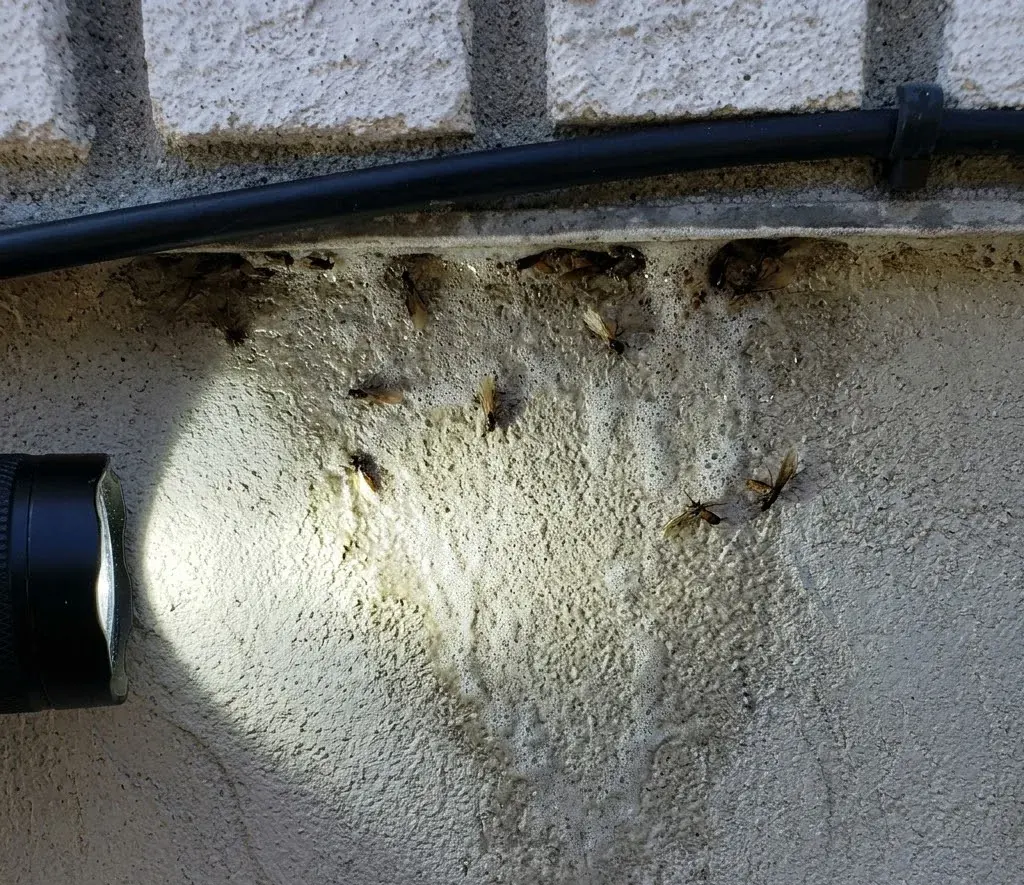
This morning, a split-level owner in Frederick noticed a soft patch beside the back entry. The surface cannot show when it formed or what caused it. These guides explain signs such as mud tubes, shed wings, and weakened wood, then describe what an inspection can examine. Homes around Baker Park and Carroll Creek Linear Park differ in layout and upkeep. A town name cannot settle what is happening indoors. Use these guides to organize your observations and prepare questions for the pros we connect you with.
On a Frederick subdivision lot, a mud ridge by the foundation may leave you wondering what treatment involves. Subterranean termites can begin in soil and reach wood by concealed contact. Drywood termites can remain within wood. Inspection findings and property conditions shape which methods fit. A home near Route 15 may have different access, moisture, and wood details from another house. These guides explain how liquid applications differ from bait stations, why stations need checks, and why product directions matter. Ask what evidence supports a proposed plan.
After a Frederick inspection, you may have notes but still need a clear next step. Ask which rooms and surfaces were examined, what damage could be seen, and what stayed out of view. A report records observed activity, wood damage, and conditions needing attention. It cannot describe areas that were not checked. Near Memorial Park, repair planning should follow an assessment of affected wood. These guides also explain station access and follow-up monitoring. They cover how written retreatment terms define coverage and later service.
Fall dampness can draw attention to weakened wood, wall finish changes, or soft floors. Learn what to record in Frederick before arranging an inspection.
Read article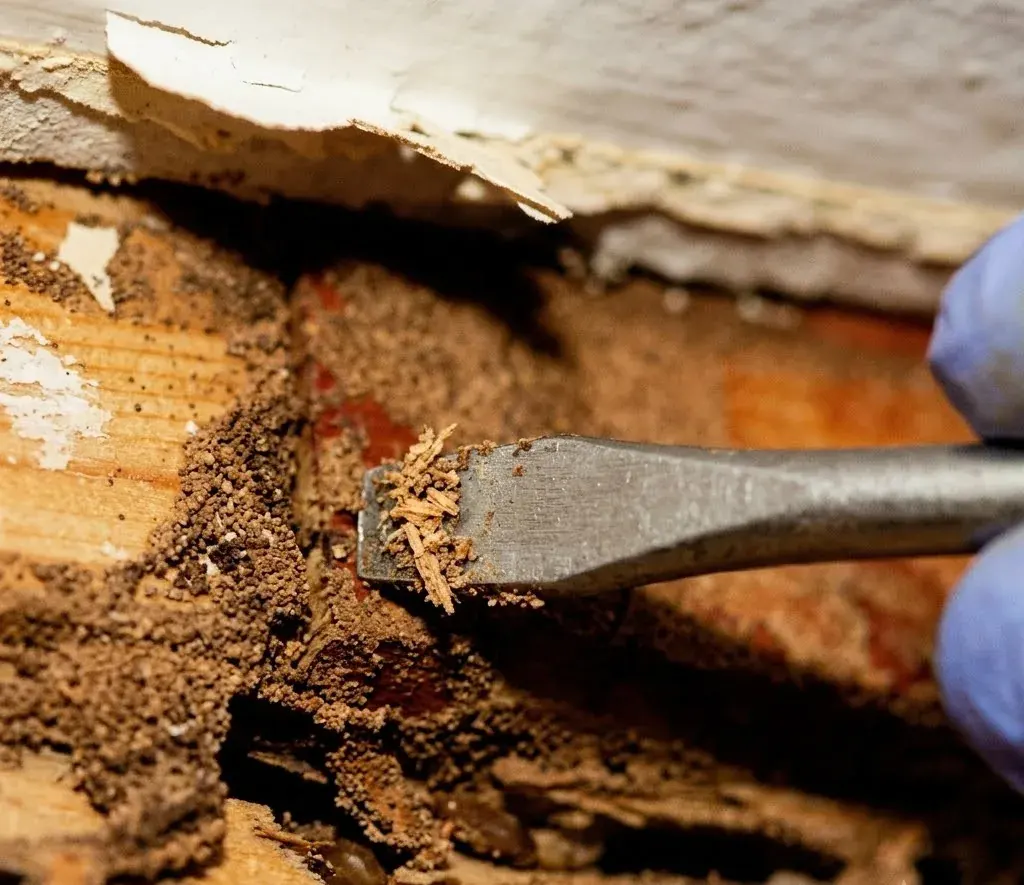
Learn how to distinguish termite droppings from dust and mixed debris, photograph a suspicious pile, and save a small sample for identification in Frederick.
Read article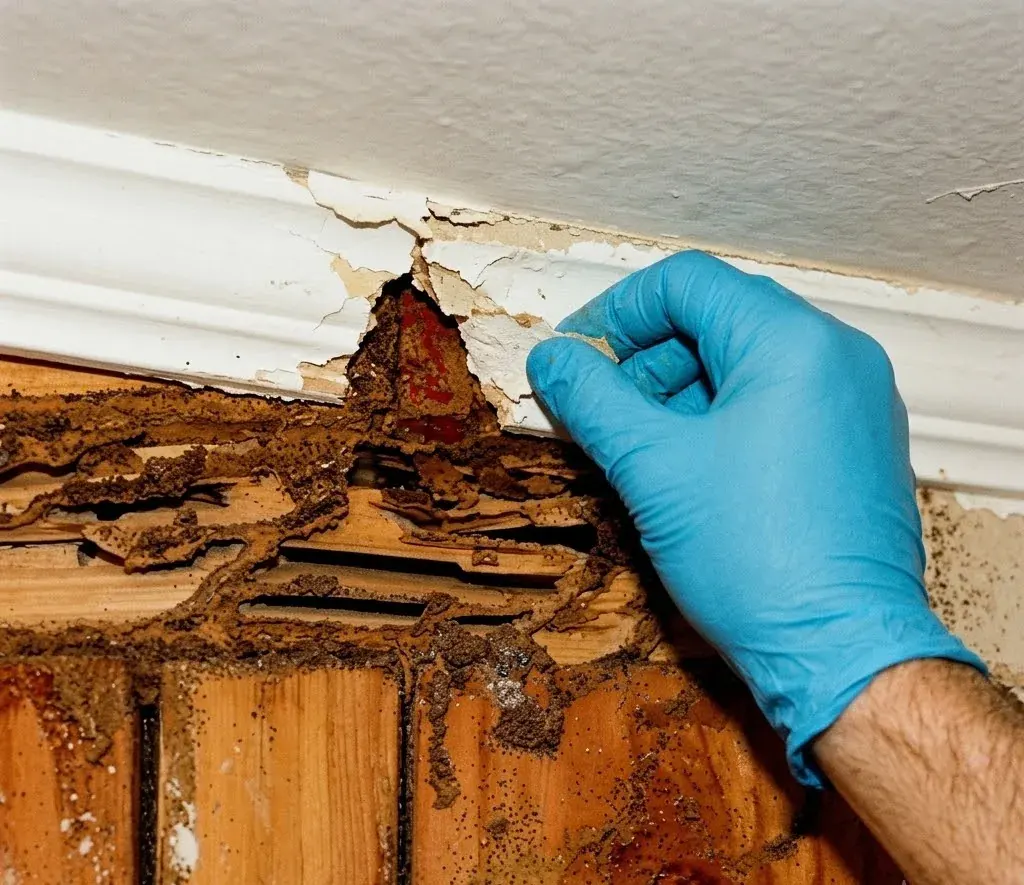
A tube on your Frederick foundation may point to a termite route, but it cannot confirm activity by itself. Learn what to record and why to leave it intact.
Read article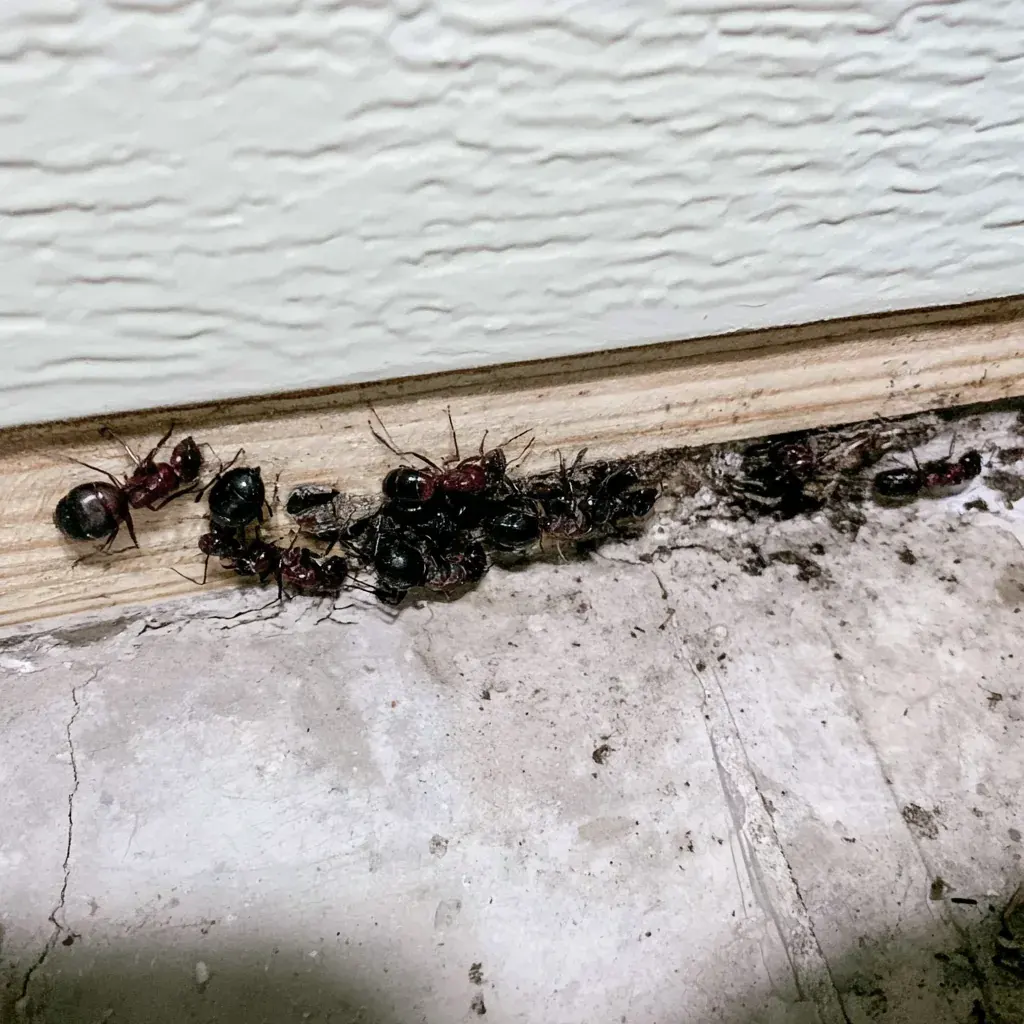
Compare body shape, wings, and wood evidence to distinguish termites from carpenter ants in Frederick. Learn how fall timing and an inspection can help clarify uncertain signs.
Read articleThe source material does not identify a named author for these Frederick guides. Their explanations draw on Maryland Extension information about termites and general inspection practice. Use them to frame questions; only an inspection can address conditions at your house. The pros we connect you with can explain the basis for any property-specific recommendation.
No review date accompanies the termite material for Frederick, so its latest review cannot be established from the information available. Treat the explanations as general background. Before work begins, ask the pros we connect you with to identify the products and written directions relevant to the proposed method, and explain any terms that affect follow-up. Product labels and service agreements matter to a treatment plan.
Use the Frederick tips as prompts. A guide cannot account for every home's drainage, crawl space, or wood touching soil. A house near Route 15 may differ from one by Memorial Park or in Monrovia. An inspection can also look for signs of termite activity. Ask what moisture sources and wood-to-soil contact exist at your property. Ask which changes could reduce those conditions and how they affect a treatment choice. Let inspection findings determine what applies.
On Tuesday, you spotted a small pile of wings under a sill and searched for an explanation. A guide can help you describe what you saw, but only an inspection can assess that spot in your Frederick home. Keep the location in mind and tell the pros we connect you with what changed and when. Ask when an inspection may be possible and whether the visit carries a charge. Their written findings can help you decide which questions to ask next.
Call (301) 756-1392