Restaurants
Restaurant Site Planning
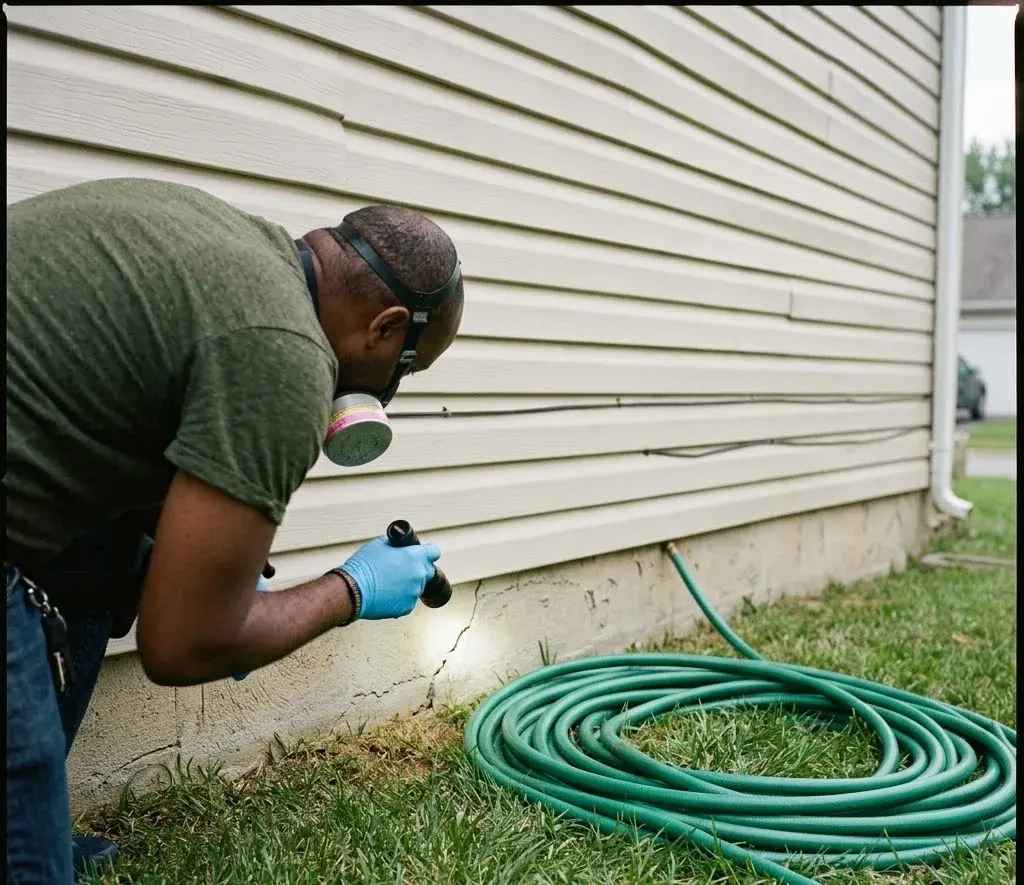
Plan school termite control around building priorities, classroom access, treatment timing, and follow-up responsibilities.
Schools can map each building, note reported concerns and access windows, then coordinate inspections across classrooms and shared areas. Use the findings to plan suitable treatment timing and assign responsibility for building records and any later monitoring.
School termite control works best when planning covers the campus as a connected group of buildings. In Frederick, start with a map that shows which locations need attention and how school use affects access. Then compare reported concerns, building roles, and available work windows. This gives the pros we connect you with a practical basis for discussing an assessment. It also helps staff see where one visit may fit and where separate arrangements are needed. The plan can guide decisions without assuming every building needs the same work.
Give each campus building a consistent name and identifier. Include its address, main use, and the staff contact who can arrange entry. In Frederick, a shared register can keep an elementary school, office, and storage building distinct, even when one team oversees them. Use the same labels on maps, schedules, and service records. When a building changes use or access contact, update the register. Stable identifiers help staff compare activity and follow-up across locations without confusing one building with another.
Set priorities by operational need and reported concern. A room used every school day may need a different visit window than a rarely occupied storage area. Consider which spaces share access routes or depend on the same staff contact. This helps sequence the campus termite treatment discussion around how the school operates. Keep the priority list open to revision as new concerns are reported. A planned order makes it easier to coordinate work while leaving room for an assessment to change the scope.
A campus map should help staff and the provider refer to the same place. Mark building names, entrances, room groups, and areas that require an escort or key. For a Frederick site, familiar anchors such as Baker Park, Carroll Creek Linear Park, and the Frederick Historic District can help orient a working map. Confirm each school's own address and internal labels. The map is a coordination aid; it does not establish termite activity or determine which spaces need treatment.
School termite control at a Frederick campus starts with a building-by-building plan. Group locations by who manages access, then note when classrooms, offices, and shared rooms are available. Urbana Middle School and Oakdale High School can serve as map labels when they are part of the campus records. Keep the schedule beside each building name so the pros we connect you with can see where coordination may be needed. This gives school staff one planning view before they arrange an assessment, without treating separate buildings as one work area.
| Campus site | Access plan | Review timing |
|---|---|---|
| Campus key | School name, site code, and Frederick-area location | Keeps records distinct across Urbana, New Market, and Ijamsville |
| Site examples | Urbana Elementary School, New Market Middle School, Oakdale High School | Makes each campus easier to identify in shared planning |
| Space priority | Classroom, office, cafeteria, or common area | Shows which occupied spaces need coordinated attention |
| Site contact | Staff role and preferred way to arrange entry | Gives the provider a clear route to access decisions |
| Schedule limits | Class times, testing periods, events, and closures | Helps compare workable dates across school buildings |
| Service boundary | Buildings and interior areas under consideration | Sets a defined footprint for treatment planning |
| Monitoring access | Station locations and the role responsible for access | Keeps future monitoring visits from losing their access path |
| Pending action | Next decision, assigned role, and target point | Carries unfinished coordination into the next review |
Classroom access depends on instruction, testing, cleaning, and room bookings. Ask each building contact to identify periods when rooms are empty and who can open secured areas. A school can group available rooms into workable windows before scheduling termite service for schools. The provider can then discuss what access the assessment requires. This reduces avoidable interruptions and makes missed rooms easier to identify. If a room remains occupied, record that constraint for scheduling instead of treating it as available.
Shared spaces need a clear point of coordination. Libraries, cafeterias, offices, and activity rooms may have different users and access rules. Choose one facilities contact to reconcile bookings with the people who control each space. That contact can confirm entry arrangements and relay schedule changes. In Frederick, this approach can keep a campus visit from relying on separate, conflicting room plans. It also gives staff one route for raising access limits before the provider arrives.
For several campus buildings, organize the schedule by site and then by building. Group nearby work only when the access plan and provider's assessment make that practical. Keep separate time windows for classrooms, administrative areas, and secured rooms. A Frederick facilities team can use the map to see which buildings are ready for a visit and which need coordination first. This makes scheduling more predictable while preserving a distinct record for each location.
At a Frederick school, termite concerns may involve wood and other materials containing cellulose. Subterranean termites generally live in soil and can reach a structure through concealed points where wood meets soil. Drywood termites live within wood and do not need soil contact. These different habits matter when planning campus termite treatment across buildings. The assessment should account for the conditions at each location, since one campus may include spaces with different construction and use. A professional can use those details to shape a site-specific plan.
Treatment planning should show how work fits the school day at each Frederick building. The options may include liquid termiticides, bait systems, or another method suited to the conditions found. Liquid applications establish treated zones, while bait systems rely on stations that need later checks. Ask how rooms or outdoor areas may be affected and what timing the plan requires. Staff can then coordinate any restricted access with classes, events, and building operations. Products must be used as their labels direct.
Plan treatment dates around the school calendar and the spaces involved. Breaks, after-hours periods, and open rooms may offer different access options, depending on the work proposed. Ask which buildings or rooms require temporary limits and how staff will receive scheduling updates. This lets the school weigh disruption alongside the provider's recommended timing. If an area cannot be made available, keep it visible as a scheduling issue. Do not count postponed work as completed.
If the plan uses bait stations, assign a facilities contact to keep them accessible and arrange provider checks. Grounds work or stored materials can block access, so include station locations in the campus maintenance map. Ask the provider what monitoring schedule and access conditions the agreement specifies. Record service dates and any station that could not be reached. A named contact helps prevent monitoring from becoming an unassigned task when school staff or responsibilities change.
Keep one campus tracker that links each building to its assigned contact, reported concern, visit status, and next action. Give each entry a date and a clear owner. The tracker helps Frederick administrators see whether a location awaits access, assessment, treatment, or follow-up. Store provider records with the matching building entry so staff can find the current scope. Review open items during facilities planning. This makes responsibilities easier to hand off when staff roles change or a school building changes use.
For termite service for schools in Frederick, start a separate record for every campus building. Include its map label, access contact, reported location, assessment date, agreed work, and any monitoring due. Urbana High School can appear as a sample label if it belongs on your campus map. Keep later service notes with that same record, so staff can track which locations need attention and when. Before calling the pros we connect you with, make sure the map and records use the same building names.
School termite control works best as a facilities plan that ranks buildings by reported concerns and access needs. In Frederick, staff can group classrooms and shared spaces for coordinated inspections, then compare proposed work with school schedules. A campus map should use the same building names as work orders and service records. Inspection notes can distinguish visible signs of activity from areas that still need closer review. The pros we connect you with can discuss how treatment methods fit the inspected conditions, which areas need access, and what monitoring would require later visits.
For a home or small business, check whether termite inspections and treatment can be arranged at your address; these county communities are places to ask, includingUrbana, Walkersville and Middletown. Clarify whether the visit charge includes travel to your property, and ask if the inspection itself has a separate fee.
For workplaces, quotes commonly follow the scheduled visits, then adjust for the space covered. A small storefront may take less time to inspect than a large facility. Check $75–$250 as a guide; findings, site access, and monitoring frequency also affect the final scope.A commercial property’s layout in Frederick can change how many treatment points or stations a plan needs; restricted entry and separate structures may add setup or monitoring work. When calling, describe the floor area, foundation arrangement, service zones, access limits, reporting needs, and whether buildings near Middletown share one site.Compare the service bands in pricing guide, then use commercial overview to see how recurring commercial termite visits are structured.
Restaurant Site Planning
Frederick Hotel Termite Control
Frederick Property Care
Start with a campus map and identify buildings by the names staff use in schedules and work orders. Mark where concerns were noticed, who can arrange entry, and when rooms are available. This lets the pros we connect you with plan a coordinated assessment across classrooms and shared spaces. Keep separate buildings on the schedule even when visits can be grouped into one campus appointment.
Classrooms may remain usable in some plans, but access needs depend on the treatment location and method. Ask which rooms or shared areas need to be empty, and how long those limits apply. Compare the proposed timing with classes, meals, and events before work is scheduled. For Frederick schools, a calendar window between activities may help staff coordinate entry without interrupting planned building use.
Give the provider campus identifiers that staff can match to their own maps, along with room access contacts and any known scheduling limits. If local labels such as Urbana Elementary School or Route 15 already identify a site in your records, keep them consistent. Prior service dates can help organize the discussion, while each building should retain its own schedule and follow-up responsibility.
If bait stations are used, the plan needs scheduled checks so the provider can assess activity at each station. Keep a campus map showing station locations with the service records, and make sure staff know not to move or block them. Assign a facilities contact to arrange entry for monitoring visits. Ask how observations or changes at a station will be shared and recorded for that building.
Map Frederick campus buildings, access windows, and reported concerns before discussing a coordinated assessment with the pros we connect you with.
Call (301) 756-1392