Hotels
Frederick Hotel Termite Control
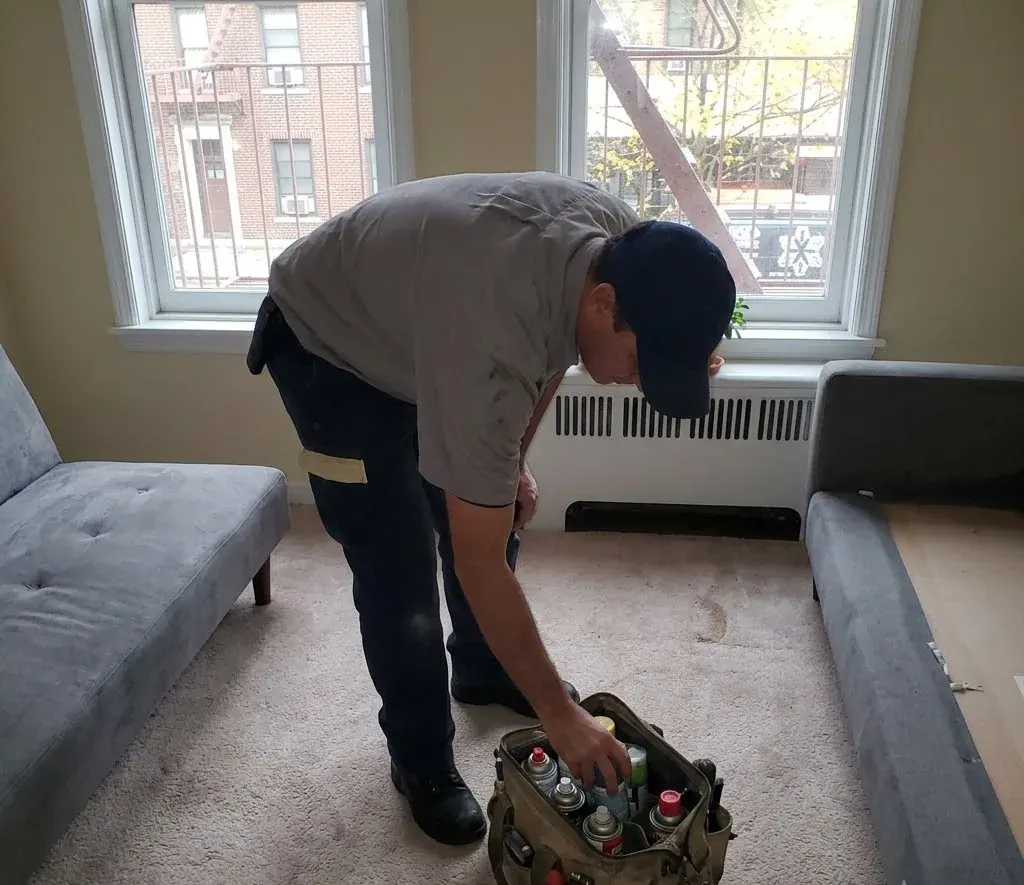
Coordinate apartment termite control with clear access roles, building records, and follow-up assignments across Frederick properties.
Property managers can coordinate apartment termite control with one building register, a shared contact process, access plans for residents and common areas, and records that track findings and follow-up by location. Give the pros we connect you with property files and operating limits, then request a documented inspection and monitoring plan.
A termite concern at one building can create work for several people: ownership approves the scope, management arranges entry, and occupants need clear instructions. In Frederick, apartment termite control works best when those roles connect through one property-wide process. Keep each building and shared facility identifiable, then give the pros we connect you with a current contact and access plan. That structure helps a documented visit fit the way the community operates. It also gives management a consistent basis for tracking observations and deciding who handles each follow-up.
Start a property register that separates apartments, condominium buildings, and community spaces. Give each address its own entry, with a building name, site contact, access notes, and a place for service history. For a Frederick portfolio, a reference such as Baker Park may help staff orient an internal map when it is relevant to an actual site. Keep the street address as the identifier. This lets management compare work across locations without mixing a shared-room note with a finding from an individual building.
A shared calendar can show planned visits without treating every building as one job. List the location, areas involved, responsible contact, and any resident notice deadline. In Frederick, a site marker such as Carroll Creek Linear Park can help staff recognize a nearby property when that reference is accurate. Keep operational details in the calendar entry, not in a vague portfolio-wide reminder. Ownership can then see what is pending, while managers can prepare the people and spaces needed for each visit.
Decide who can approve work before a provider proposes dates. An owner or association board may set the spending and scope limits, while management handles resident communication and entry logistics. Record who can approve changes if new areas need attention. Frederick communities can include different building types, so the decision path should name the responsible party for each property. This prevents a provider from waiting on an unclear approval and helps management explain what has been authorized before work begins.
Resident notices should tell people which location is affected, when access is requested, and how to report a scheduling conflict. Keep the message tied to the specific building or shared room; a general notice for a Frederick community may leave occupants unsure whether they need to respond. Include a management contact and any preparation instructions supplied by the provider. After notices go out, record responses and unresolved access issues. That gives the coordinator a practical list to work through before the appointment.
| Site | Entry plan | Next step |
|---|---|---|
| Site index | Use matching labels for Frederick, Urbana, Walkersville files | Connect each building to its ownership record |
| Decision roles | Board, ownership, and management responsibilities | Name who approves scope and shares updates |
| Resident liaison | One contact for occupant questions | Route concerns to the assigned manager |
| Work areas | Shared rooms and building service spaces | Note operating limits before work is planned |
| Entry details | Unit entry rules and escort arrangements | Match access instructions to each building |
| Work order | Building sequence based on operating needs | Review timing with the property lead |
| Review plan | Planned check-ins by property | Keep monitoring responsibilities assigned and visible |
| Open actions | Unresolved items with a building reference | Carry each item into the next review |
Build the service window around the property’s daily use. A provider may need entry to units, utility spaces, or shared rooms, and each space can have a different access contact. In Frederick, a visit near the Frederick Historic District still depends on the building’s own schedule and entry arrangements. Coordinate with maintenance and resident services before confirming dates. Grouping compatible areas can reduce repeated interruptions, while leaving time to handle locations that require separate keys or occupant coordination.
Tell maintenance staff what to do if they notice possible termite signs: note the location and report it through the agreed channel. Avoid having staff scrape, cover, or move material before the provider can assess it. For a Frederick property, attach the observation to the correct building record, not just a general work order. This preserves useful context and directs the concern to the right contact. Residents should have a simple way to pass along observations without trying to diagnose the cause themselves.
Sequence appointments so essential building functions remain available. A community room may host scheduled activities, while a service room may need to stay open for maintenance. Put those constraints beside each proposed work window and tell the provider early. In Frederick, managers can use one schedule to coordinate several properties, but each entry should reflect that location’s operating needs. If a date changes, update the affected contacts and calendar record together. This keeps an old appointment from disrupting residents or staff.
Include shared facilities in the site plan from the start. A clubhouse, laundry room, or storage area can have a different keyholder and open hours from nearby apartments. List each space under the property it serves, then identify who can arrange entry. For Frederick managers, this makes it easier to see whether a planned visit covers the community’s buildings and shared areas. It also helps prevent a completed appointment at one location from being mistaken for work across the entire association.
After a visit, update the property record with the areas reached, any spaces unavailable, and the next action assigned. Route each item to a named manager, owner, or maintenance contact, with a target date for follow-up. Keep the record specific to the Frederick building or common facility involved. A missed unit or locked room should remain visible as an open task. That detail helps the coordinator arrange another access window and gives ownership a clear view of what remains unresolved.
If the service plan includes monitoring equipment, show its location on the property map and keep the route accessible to the provider. Tell maintenance and grounds staff not to move or block equipment without checking the service instructions. In a Frederick portfolio, note which building or shared area each location belongs to. This keeps later visits tied to the right site and helps staff report access changes. Ask the qualified professional to explain how monitoring visits fit the proposed plan and who should receive updates.
Apartment termite control works best when owners, managers, and residents share a plan. Note visible wood damage separately from access and contact details. Give one manager responsibility for provider communication. That person routes questions to owners and tells residents when shared spaces need access. Set notice procedures around resident schedules and building operations. Tie records to each address, with responsibility for open concerns. For HOA termite service or multi-unit termite treatment, gather property records. Ask the pros we connect you with about a documented inspection and monitoring plan.
Plans may need to change after the provider reviews the property or cannot reach a scheduled area. Record the reason, the affected building, and the next person responsible for arranging access or approval. In Frederick, keep that change attached to the relevant property entry so it does not disappear into a community-wide note. Notify occupants when the revised timing affects them. A clear change log helps ownership understand what shifted and lets management keep the remaining work organized.
Before requesting service, gather addresses, prior service records, building contacts, access rules, and operating constraints. Ask the pros we connect you with for a documented inspection and monitoring plan that identifies how findings and future actions will be tracked. For Frederick properties, include the relevant apartment buildings, condominium areas, and shared facilities in the request. Maryland regulates commercial pest control businesses and applicators for termite work. Confirm that the provider meets applicable requirements, then agree on who receives updates and coordinates access.
Apartments, condos, and shared buildings do not run on the same access rules. A unit may need resident entry, while a lobby or community room follows staff hours. In Frederick, a useful plan connects those differences across the property instead of treating each visit as a separate request. The pros we connect you with can document which locations were covered and what needs follow-up. Ownership, management, and occupants then have a clear route for updates. Near Carroll Creek or Baker Park, the landmark does not determine termite activity; conditions at each property guide the work.
A county listing cannot confirm coverage at a particular property, so ask about inspection and treatment for homes or small commercial buildings in these communities, includingFrederick, Urbana and Walkersville. Before choosing a time, ask whether the inspection visit is billed separately and whether reaching your address adds a travel charge.
A shop or office is often quoted visit by visit, with floor space and service frequency setting the scope. $75–$250 provides a guide for inspection costs. Findings, access to work areas, and follow-up needs may shift a commercial estimate after the property is reviewed.A commercial property’s layout in Frederick can change how many treatment points or stations a plan needs; restricted entry and separate structures may add setup or monitoring work. When calling, describe the floor area, foundation arrangement, service zones, access limits, reporting needs, and whether buildings near Middletown share one site.Compare the service bands in pricing guide, then use commercial overview to see how recurring commercial termite visits are structured.
Frederick Hotel Termite Control
Campus termite control
Restaurant Site Planning
Start with one property contact and a current list of apartments, condos, and shared buildings. Give the pros we connect you with prior service records and known access limits. Keep notes on observed changes in a shared file so management can compare updates during follow-up. In Frederick, keep each building’s status visible to ownership and management so an update from one site does not get lost among other requests.
Have management set the entry process for each building before scheduling work. Identify who can approve unit access, who handles shared spaces, and how occupants should receive notices. Ask the provider to group visits in a way that fits those rules. Keep a contact for access problems on the day of service, then record which locations were reached and which need another arrangement.
Keep the property list, prior service documents, current provider scope, access notices, and follow-up assignments together. File updates by building and date, with a named person responsible for each open item. If a property is near Route 15, use its established property name in internal records; the road itself says nothing about termite conditions. The record should help a board trace decisions without guessing which site an update concerns.
Set work windows around building use, planned maintenance, and resident access rules. Tell occupants what areas may be involved and where to direct questions. Give maintenance staff the written scope so they can avoid blocking agreed work areas. After each visit, update the property schedule and assign any remaining action to a person. That makes rescheduling visible to management and ownership.
Flag visible signs of activity for the licensed pros we connect you with to review during the inspection.
Call (301) 756-1392